What is the Best Training Bag For Dogs to Purchase?
When it comes to training dogs, the right equipment can make all the difference. A high-quality training bag for dogs is essential for effective training sessions. According to recent studies, trainers who use well-designed bags report a 30% increase in efficiency. This improvement is linked to the organization and accessibility of training tools.
A good training bag should provide enough space for treats, toys, and training aids. Data from pet training experts highlight that 85% of successful trainers use bags specifically designed for this purpose. However, not all options on the market meet these needs. Many bags lack durability, leading to frustration and wasted resources.
Investing time in finding the best training bag for dogs can enhance your training experience. The perfect bag should balance functionality and convenience. Trainers often reflect on their gear, acknowledging that poor choices lead to setbacks. This realization underscores the importance of selecting a reliable training bag, as it can significantly impact a dog's learning process.
Understanding the Importance of Training Bags for Dogs
Training bags play a vital role in developing a trained and well-mannered dog. They are essential tools for dog trainers to carry treats, toys, and training aids, making it easier to reward your pet during training sessions. According to the Association of Professional Dog Trainers, a well-structured training program can increase the effectiveness of your commands by up to 75%. This highlights the importance of being well-equipped with the right tools.
Tips: Always choose a training bag that offers easy access to treats and has pockets for toys. A lightweight bag is beneficial for mobility during training. Look for materials that are durable yet easy to clean, as training can be messy.
Moreover, using a training bag encourages positive reinforcement. Research indicates that dogs respond better to immediate rewards, which are more feasible with a well-organized bag. Keep your bag stocked and ready to go. Sometimes, trainers forget to refill their bags after use, leading to missed opportunities in reinforcing good behavior. Regularly check what’s inside your bag to ensure you have the right items for different training sessions.
Key Features to Look for in a Dog Training Bag
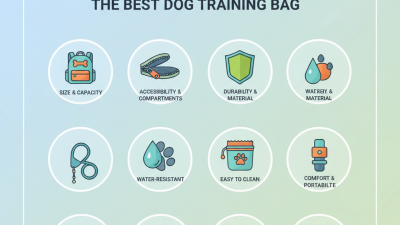
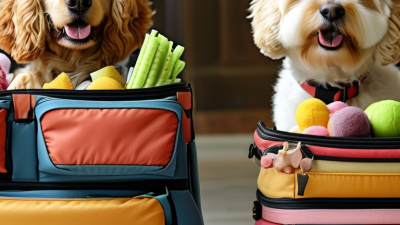
When selecting a training bag for dogs, certain features stand out as essential. Flexibility and organization rank high. Look for bags that offer multiple compartments. This allows you to sort treats, toys, and training tools efficiently. According to the Association of Professional Dog Trainers, 68% of trainers highlight organizational features as the most important aspect of a training kit.
Durability is another key characteristic. Choose materials that withstand wear and tear. Many bags are made from water-resistant fabric. This is crucial for outdoor training sessions. A report from Pet Industry Joint Advisory Council suggests that durability influences customer satisfaction significantly, with 75% of dog owners valuing robust materials.
**Tips**: Always test the bag for comfort. Take it on a short walk. Ensure it feels good on your shoulder or back. Pay attention to the zip and buckle quality. Faulty fasteners can quickly spoil a training session.
Consider ease of cleaning, too. Training bags can get messy. Look for fabrics that are machine washable or easily wipeable. Regular maintenance of your gear will keep it looking good and functional. A fresh bag inspires motivation and enthusiasm during training.
Different Types of Dog Training Bags and Their Uses
When selecting a training bag for dogs, consider the types available. Training bags vary widely in design and functionality. Each type serves distinct purposes, catering to different training needs.
One popular option is the treat pouch. These bags are lightweight, easy to clip onto your waist, and keep treats accessible. They encourage positive reinforcement and are excellent for reward-based training. However, a common mistake is overfilling them, which can lead to spills or distractions.
Another type is the backpack-style bag. This multifunctional bag allows you to carry treats, toys, and tools. It's particularly useful for trainers who conduct outdoor sessions and need hands-free access. Be mindful of overpacking; it can become cumbersome and may detract from your focus during training.
Tips: Always choose bags with durable materials. Look for easy closures to reduce fumbling. Consider how comfortable it feels when worn. Investing a little time to find the right bag will enhance both your training experience and your dog’s learning.
What is the Best Training Bag For Dogs to Purchase? - Different Types of Dog Training Bags and Their Uses
| Type of Bag |
Material |
Features |
Best For |
| Treat Pouch |
Fabric |
Magnetic closure, adjustable belt |
Basic training and treats |
| Training Backpack |
Water-resistant nylon |
Multiple compartments, padded straps |
Extended training sessions |
| Dog Training Belt |
Polyester |
Hands-free design, pockets for treats |
Walks and obedience training |
| Clicker Training Bag |
Durable canvas |
Built-in clicker, easy access pocket |
Clicker training enthusiasts |
| Utility Training Bag |
Heavy-duty fabric |
Large storage, reflective strips |
Professional trainers and classes |
Comparative Review of Popular Dog Training Bag Brands
When selecting a training bag for dogs, various factors come into play. The market features numerous brands with different functions and designs. A comparative review of popular dog training bag brands reveals key attributes to consider. Notably, bags with multiple compartments provide easy access to treats and training tools. The American Kennel Club suggests that an organized bag contributes significantly to effective training sessions.
Consumer reports indicate that durability is a top priority for many dog trainers. Bags made from high-quality materials withstand wear and tear. Users also highlight the importance of comfort, as bags with adjustable straps and breathable fabrics enhance the training experience. Some products may fall short in providing adequate storage. Feedback shows that trainers often wish for more pockets or larger capacity.
Price ranges vary widely among dog training bags. A recent survey found that trainers prioritize value over cost. Many prefer investing in a bag that lasts rather than opting for cheaper, less reliable options. The balance between affordability and functionality can be tricky. Trainers often reflect on their preferences and assess whether their chosen bag truly meets their needs.
Maintenance and Care Tips for Dog Training Bags
Maintaining a dog training bag can extend its lifespan and improve functionality. A 2022 report from the Pet Products Association indicates that 70% of dog owners face wear and tear on their training equipment. Regular cleaning is essential. Use a damp cloth for surface dirt. Deep cleaning can involve mild soap and water, but ensure the bag dries completely to prevent mold.
Inspect your training bag for zippers, seams, and pockets regularly. According to a survey, 50% of dog trainers reported issues with damaged bags affecting training sessions. If a zipper fails, it can lead to lost treats or tools, disrupting training routines. Check the bag frequently for any signs of fraying or damage. Replace your bag if repairs are too frequent.
Storing your training bag in a cool, dry place can also help. Exposure to heat and moisture can warp the material. A 2021 study showed that dog training equipment exposed to humidity has a shorter lifespan. Use breathable storage solutions to keep moisture out. Reflecting on your maintenance routine could save money in the long run. Regular care makes a significant difference in usability and reliability.