2026 How to Choose the Best Training Bag For Dogs for Effective Obedience
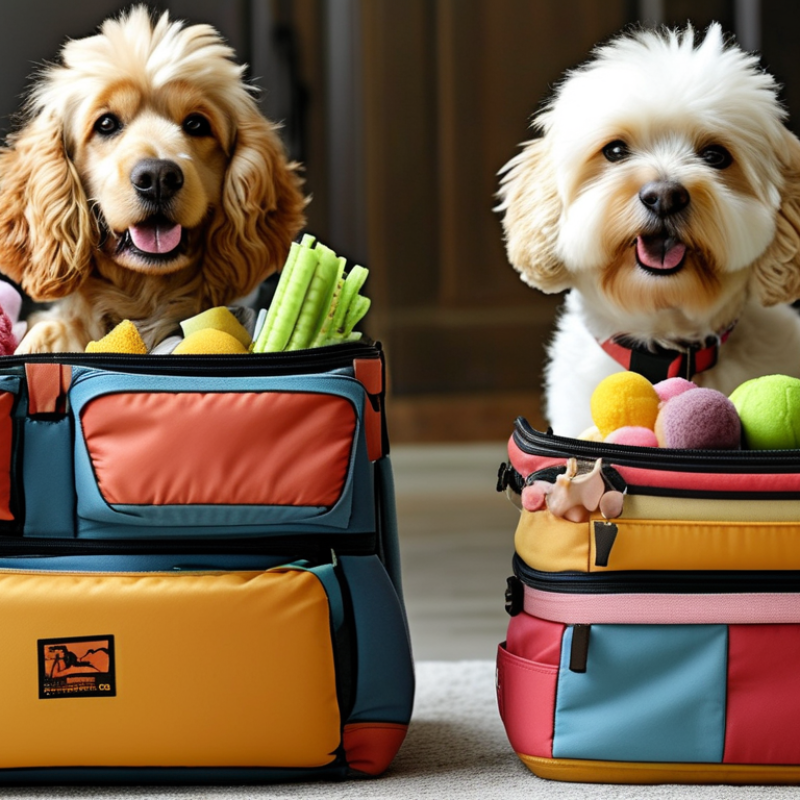
Choosing the right Training Bag For Dogs is essential for effective obedience training. A good training bag enhances your training sessions and ensures you have all necessary tools at hand. It can keep treats, toys, and other essentials organized, making your experience smoother.
When selecting a training bag, consider your dog's size and behavior. Some bags are larger, while others are portable and lightweight. The materials and storage compartments matter too. A bag that is easy to clean and durable will last longer and maintain your dog's interests.
However, not all bags suit every trainer or dog. Some trainers prefer a more compact style, while others require greater capacity. This can lead to a trial-and-error phase in finding the perfect fit. It's important to reflect on your specific needs and preferences as you make your decision.
Understanding Different Types of Training Bags for Dogs
When considering the right training bag for dogs, understanding the different types available is essential. Various bags serve different functions and cater to varying training methods. For instance, treat pouches are popular. They allow easy access to treats during training sessions, increasing reward efficiency. According to a survey by the American Kennel Club, 75% of dog trainers favor treat pouches for positive reinforcement training. These bags often come with adjustable straps for comfort and accessibility.
Another option is the multipurpose training bag. These bags may include compartments for toys, leashes, and training tools. A study indicates that having all necessary items in one bag enhances training effectiveness by reducing setup time. However, some trainers find these bags cumbersome and prefer more streamlined options. It’s crucial to balance functionality and comfort; otherwise, distractions can undermine training efforts.
Lastly, some trainers favor waist packs. These bags keep hands free, allowing for smoother interaction with the dog. However, they may not hold enough supplies for extended sessions. Trainers suggest reflecting on your specific needs and training style. Each bag has pros and cons that can influence your dog’s learning experience. Being aware of these factors can refine your choice and enhance training success.
Key Features to Look for in a Dog Training Bag
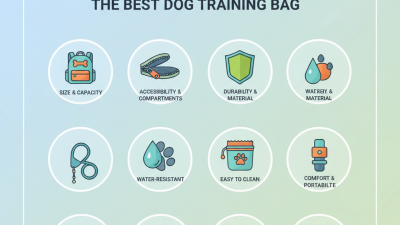
When choosing a dog training bag, focus on the essential features that enhance training efficiency. Look for durable materials that withstand outdoor conditions. The bag should have enough pockets to organize treats, toys, and training tools. This way, you can access items quickly during training sessions. A well-organized bag helps reduce distractions during obedience training.
Consider a bag with adjustable straps. Comfort is important, especially during long training sessions. Some bags even offer reflective materials for safety. Keep an eye out for waterproof fabrics. They protect your belongings from spills or sudden weather changes. A sturdy base is another detail to ponder. It prevents the bag from tipping over during active training.
Reflect on your specific training needs. Every dog and trainer has unique styles. A bag that works for one may not suit another. Evaluate if you need a lightweight design or more space for various tools. Your choice should align with your training approach and your dog's behavior. Finding the perfect bag may take time. Don't rush; thoughtful selection leads to better training experiences.
How to Select the Right Size and Design for Your Needs
Choosing the right training bag for your dog requires careful consideration of size and design. A well-fitted bag can make a significant difference during your training sessions. If the bag is too big, it may cause discomfort. Conversely, a bag that's too small won’t hold essential items adequately.
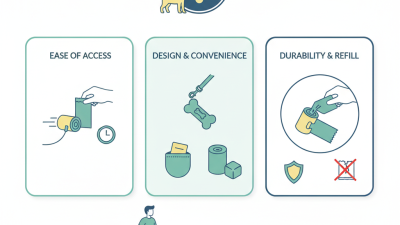
Opt for a bag that allows easy access to treats, leashes, and toys. Look for various pockets and compartments. This design can enhance your training experience. A lightweight option may be more comfortable, especially for extended use. Test how the bag feels when loaded with items before making a decision.
Remember, it’s essential to reflect on your specific needs. A visually appealing bag may catch your eye but may not meet functionality. Some bags can be difficult to clean after messy training sessions. Thus, evaluate both practicality and aesthetics. A good balance ensures the bag serves you well in the long run, making each training session more effective and enjoyable.
Comparing Popular Brands and Models of Dog Training Bags
Choosing the right training bag for dogs is essential for effective obedience training. The market offers various brands and models, each with unique features. A study from the Pet Industry Association shows that around 65% of dog owners believe a quality training bag enhances their pet’s learning experience. This statistic highlights the significance of making an informed choice.
Popular models often include different compartments and sturdy materials. For instance, bags that feature adjustable straps and waterproof pockets can accommodate various training tools. Many dog trainers advocate for bags that allow easy access to treats and toys. However, some users report dissatisfaction with bags that lack durability. They find that seams can tear under regular use, leading to frustration during training sessions.
Real user reviews reveal mixed experiences with these bags. Some owners praise their lightweight design, while others wish for more space. It's crucial to consider whether the bag fits your specific needs. Not every bag is suitable for all training styles. Researching customer feedback can guide better decisions. Look for designs that promote convenience and comfort for both the dog and the handler.
2026 How to Choose the Best Training Bag For Dogs for Effective Obedience - Comparing Popular Brands and Models of Dog Training Bags
| Feature |
Model A |
Model B |
Model C |
| Material |
Durable Nylon |
Waterproof Canvas |
Recycled Polyester |
| Size |
Medium |
Large |
Small |
| Number of Pockets |
3 |
5 |
2 |
| Color Options |
Red, Blue |
Black, Green |
Pink, Grey |
| Price Range ($) |
25 - 35 |
30 - 50 |
15 - 25 |
| Weight |
1.2 lbs |
1.5 lbs |
0.8 lbs |
Tips for Organizing and Using Your Dog Training Bag Effectively
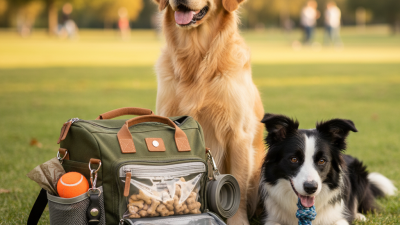
Organizing your dog training bag is a crucial step towards effective obedience training. Start by selecting a durable, spacious bag. Make sure it has multiple compartments to keep various training tools easy to access. Use small pouches or ziplock bags for treats, toys, and clickers. This way, everything remains organized and you won’t waste time searching for items during training sessions.
Having a well-stocked bag can make a big difference. Include items like training treats, a leash, and waste bags. Keep the bag in a designated spot so you remember to grab it before each outing. However, it’s important to regularly check the contents. Treats can spoil, and toys may get damaged. Rotating the items can keep your training fresh and engaging.
Reflecting on what’s inside your bag is essential. You may find items that no longer serve a purpose. It's okay to reassess your approach. If something isn't working, adjust accordingly. Your bag should evolve as your dog's training progresses. Consider what tools have proven most effective and focus on those. This will help create a consistent training routine without unnecessary clutter.
Comparison of Popular Dog Training Bag Features