10 Best Dog Garbage Bags for Bulk Buyers
Buying dog waste bags in bulk is less about finding the cheapest roll and more about preventing daily supply problems. A reliable Dog Garbage Bag should open smoothly, separate cleanly, and resist leaks during ordinary outdoor use. Warehouse teams also need consistent roll counts, dependable packaging, and cartons that stack without collapsing. Small details matter.
This guide examines ten options through a practical bulk-buying lens. The comparison considers material thickness, bag dimensions, odor control, dispenser fit, packaging efficiency, and supplier consistency. Product descriptions can sound impressive, but sample testing often reveals weak seams or difficult tear lines. Test before scaling. A few assumptions may fail.
Experienced buyers should inspect several rolls from each case, not just one sample. A filled bag placed briefly on a rough pavement surface can expose problems quickly. Checking shipment quality across multiple batches also helps identify inconsistent manufacturing. Environmental claims deserve careful review, especially when labels use broad terms without clear material details. Cost per bag matters, yet replacement orders, customer complaints, and wasted storage space can change the real value. The strongest choice depends on walking volume, staff routines, climate, and disposal practices. No bag is perfect. This overview aims to make the trade-offs clearer, using practical observations and measurable features rather than attractive packaging alone.
What Makes a Dog Garbage Bag Suitable for Bulk Purchasing
What Makes a Dog Garbage Bag Suitable for Bulk Purchasing
Bulk buyers need more than a low carton price. The American Pet Products Association’s 2023–2024 survey estimated 65.1 million U.S. households owned dogs. That scale makes small quality failures expensive. A suitable bag should resist punctures, seal easily, and fit the intended dispenser. Check the actual dimensions, not only the roll count. A 9-by-13-inch bag may suit small waste, but larger dogs need more capacity. Test samples with wet waste and sharp edges before placing a large order. Real handling reveals weaknesses.
Material consistency also matters. Ask suppliers for thickness tolerances, leak-test methods, and production batch records. ASTM D6400 or D6868 references can clarify compostable claims, but certification does not guarantee backyard breakdown. Local facilities may reject these bags. The U.S. Environmental Protection Agency reported 292.4 million tons of municipal solid waste in 2018, showing why disposal details deserve attention. Packaging efficiency matters too. Compact cartons reduce storage pressure and shipping volume. Still, the smallest carton is not always the best value.
Calculate cost per usable bag, including damaged rolls and shipping. Request samples from multiple production batches. Then compare odor control, knot strength, and roll perforation. I would not trust attractive claims alone. Supplier records, consistent samples, and clear technical specifications provide stronger purchasing evidence. One overlooked issue remains: bags stored in heat or humidity can lose performance before use. Bulk purchasing rewards reliability, not merely volume.
Key Features to Compare Before Choosing Dog Garbage Bags
For bulk buyers, dog garbage bags should be compared by performance, not only price.
A low unit cost means little if bags split during collection. Measure bag thickness, size, and usable capacity against your daily waste volume. Thin bags may suit dry waste, but damp material needs stronger seals and better leak resistance. Leak resistance matters.
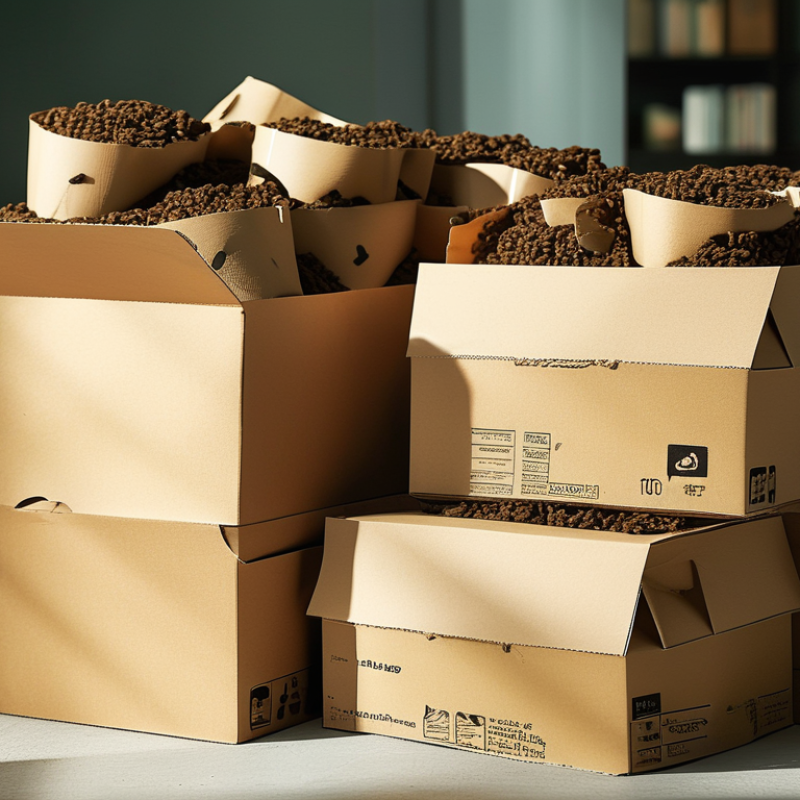
Check whether the bags open easily, especially when staff wear gloves. Strong handles can reduce spills and make tied bundles easier to move. Roll core size also matters. It should fit existing dispensers without forcing staff to reload them. For storage, compare carton dimensions, roll counts, and packaging protection. A crushed carton can create unnecessary waste before use.
Tips:
Order a small test carton before committing to a large shipment. Fill several bags with realistic waste, then lift and tie them. Check the bottom seams and handle areas. Leave samples overnight with damp contents. Compare failures, not just successful uses. I once focused too heavily on thickness and overlooked poor opening performance. That slowed collection work. Now I compare material feel, seal quality, dispenser fit, and carton consistency across multiple rolls. Ask for clear specifications and lot information. Keep test notes. They help reveal whether a cheaper option is actually dependable for repeated purchasing.
How to Evaluate Size, Strength, Odor Control, and Leak Resistance
10 Best Dog Garbage Bags for Bulk Buyers
Bulk buyers should evaluate more than roll count. APPA’s 2023–2024 National Pet Owners Survey reports 65.1 million U.S. households own dogs. That scale makes small packaging flaws expensive. Start with bag size. A bag should cover the hand comfortably and close without stretching. For large dogs, choose deeper bags with wider gussets. A tight opening invites spills.
Strength matters during real use. Look for stated thickness, reinforced seams, and consistent film quality across the roll. Thickness alone can mislead. A thick bag with weak seams may fail faster than a lighter, well-sealed bag. Test filled samples with damp waste and rough pavement nearby. Leak resistance depends on both material and the bottom seal. Odor control is also practical, especially for apartment bins. Fragrance may hide smells briefly, but it can bother sensitive users. ASTM D6400 references compostable plastic performance, yet certification does not prove every bag suits home composting. Check local facility rules. That detail is often missed.
Tips: Buy one trial carton before ordering pallets. Measure a typical load. Drop-test sealed samples from waist height. Store cartons away from heat and moisture. Review customer complaints for split bottoms, torn handles, and rolls that jam. APPA’s survey shows how widely dog ownership is distributed, but household needs still differ. I would not trust a product based on claims alone. Hands-on testing remains imperfect, but it catches failures that specification sheets overlook.
The 10 Best Dog Garbage Bags for Bulk Buyers
The 10 Best Dog Garbage Bags for Bulk Buyers
Bulk buyers need dog garbage bags that perform consistently, not merely look economical. The strongest options usually include extra-thick bags, leak-resistant bags, tie-handle bags, and flat-bottom bags. These designs help staff manage wet waste, full bins, and hurried collection rounds. A reliable bag should open easily, separate cleanly, and fit the intended dispenser. Small details matter.
For kennels, shelters, groomers, and apartment properties, large-format bags can reduce replacement time. Unscented bags suit dogs and workers sensitive to strong fragrances. Compostable bags may support sustainability goals, but buyers should verify certification and disposal conditions. Recycled-content bags can also reduce material demand without sacrificing basic strength. Test them with realistic loads, including damp litter and sharp-edged packaging. Do not trust thickness alone.
The best ten choices also depend on daily workflow. Tie handles help close bags quickly. Flat bottoms improve stability during transport. Dispenser-compatible rolls reduce interruptions. Extra-long bags protect hands and bin rims. I once focused too heavily on the lowest unit price, and weak seams created more work. That mistake still influences my purchasing checks. Ask for samples before ordering thousands. Compare odor control, tear resistance, storage space, and carton consistency. A slightly higher cost may be worthwhile when fewer bags split during collection. Bulk savings mean little if employees need double-bagging. Keep records from different batches. Performance can vary.
Tips for Storing and Using Bulk Dog Garbage Bag Supplies
Bulk dog garbage bags save time, but poor storage can ruin a useful supply. Keep unopened rolls in a cool, dry cabinet away from sunlight and cleaning chemicals. Heat can weaken plastic before the bag reaches a leash. A sealed storage bin helps control dust, moisture, and curious pets. Label each carton with its purchase date. Use older stock first.
In daily use, place one roll near the door, another beside the yard-cleaning tools, and a small reserve in the car. Check the bag before pulling it fully from the roll. Thin spots or brittle edges deserve attention. For larger waste, use two bags rather than stretching one beyond its capacity. Tie each filled bag securely, then wash your hands. Never leave used bags on sidewalks, playground edges, or open ground.
I have learned that convenience encourages waste. I sometimes carry more bags than needed, especially after rainy walks. That habit is not efficient. A simple weekly count shows actual use and prevents over-ordering. Keep a small note of rolls opened, damaged bags, and seasonal changes. Winter can make some materials less flexible. Test a bag indoors before relying on it outdoors. Storage plans are rarely perfect. Adjust them after real walks, not assumptions.