Why Choose Poop Bags And Dispenser For Global Buyers? The answer begins with a simple daily task: responsible waste collection during a morning walk. A reliable dispenser clips to a leash, while strong bags prevent leaks near sidewalks, parks, and apartment entrances. Convenience matters, but material quality matters more.
The American Pet Products Association reported that 66% of U.S. households owned a pet in 2023–2024. Grand View Research valued the global pet care market at approximately USD 235.32 billion in 2022. Its report also projected continued growth through 2030. These figures suggest expanding demand for practical pet-care accessories, including Poop Bags And Dispenser products. Yet market growth does not automatically prove environmental responsibility. Buyers must inspect thickness, closure design, packaging, and disposal claims.
Pet-industry analyst David Lummis has summarized the purchasing reality this way: “Sustainability sells best when it also solves a daily problem.” That idea fits this category closely. A dispenser reduces loose rolls in pockets. A well-designed bag opens quickly, even in cold weather. Compostable options may reduce plastic dependence, but only when local facilities accept them. This point is often missed.
Global buyers also need dependable supply. They should review testing records, production consistency, carton dimensions, and delivery performance. A low price can become expensive after split bags, damaged dispensers, or delayed shipments. I may be overly cautious here, but responsible sourcing is rarely achieved through attractive packaging alone. The best choice combines user experience, verified specifications, and honest environmental communication.
Poop bags are flexible containers designed to collect pet waste during walks, travel, or outdoor care. They usually come in rolls with perforated sections for quick tearing. Common materials include polyethylene, recycled plastic, and plant-based blends. Each material behaves differently. Some feel soft, while others resist punctures better.
A dispenser is the small holder that protects and releases the roll. It may attach to a leash, belt, stroller, or bag with a clip. A useful dispenser should allow one-handed pulling, clear tearing, and simple roll replacement. I have found that a tight opening can slow down a busy walk, especially when the weather is cold. Small details matter. A lot.
For global buyers, product reliability depends on more than appearance. Check bag thickness, seam strength, roll length, perforation quality, and dispenser durability. Ask suppliers for material specifications and practical test results, including leak and tear checks. Packaging should also protect rolls from moisture during storage and transport. Even a strong-looking bag can fail when overloaded or exposed to sharp waste. No bag is perfect. Buyers should review disposal guidance in each destination, because material claims and waste systems may differ. A clear product description helps prevent misuse and supports more dependable purchasing.
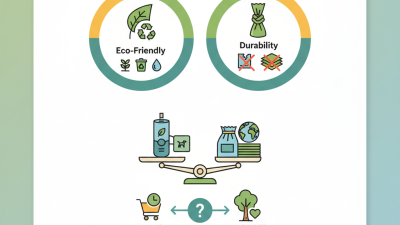
Why Choose Poop Bags And Dispenser For Global Buyers?
How Poop Bags Support Cleaner and Safer Pet Waste Disposal
Reliable poop bags help pet owners manage waste without direct contact. A dispenser keeps unused bags within reach during walks, travel, and outdoor visits. This simple combination supports cleaner public spaces and reduces unpleasant handling. Choose bags with enough thickness to resist tearing during pickup. A secure seal also helps contain odors before the waste reaches an approved bin.
Material quality matters in daily use. Bags should open easily, fit comfortably over the hand, and turn inside out for a safer tie. Clear size information helps buyers match the bag with small, medium, or large pets. A dispenser should attach firmly to a leash or carry bag. Small details matter. Loose clips can cause frustration.
From practical experience, poor storage can weaken bags before use. Heat, moisture, and sharp objects may damage them. Buyers should inspect packaging and store bags in a cool, dry place. Responsible disposal still depends on local waste guidance, so users should check nearby bin requirements. No disposal routine is flawless. Sometimes a bag tears, even after careful selection. Carrying an extra bag can prevent an uncomfortable situation and keep the walking route cleaner. Suppliers should provide accurate material details, consistent sizing, and clear usage instructions. These details build trust across different markets.
Why Choose Poop Bags And Dispenser For Global Buyers?
A dispenser turns an ordinary cleanup task into a quicker routine. Pet owners can clip it to a leash, belt, or stroller. One-handed access matters when a dog pulls suddenly. That small detail reduces fumbling near sidewalks, grass, and apartment entrances. APPA’s 2023–2024 National Pet Owners Survey reports that 66% of U.S. households own a pet. More households also mean more frequent, everyday waste-management needs. Dispensers keep rolls visible and easier to replace before they run out. They also prevent loose bags from disappearing inside pockets or car compartments.
Practical design still matters more than appearance. A secure clip should resist movement during walks. The opening should release one bag without tearing the next. A compact shape helps during travel, while a textured surface improves grip in rain. FEDIAF’s 2024 European Pet Food Industry report estimates that 49% of European households own a pet. Global buyers therefore need adaptable formats, clear refill dimensions, and packaging that explains use without translation problems. Small details create trust.
Not every dispenser works well. Cheap hinges may crack in cold weather, and tight openings can frustrate users. Extra plastic also deserves honest review. A dispenser improves access, but it does not make poor bags stronger or more sustainable. Testing should include leash movement, wet hands, and repeated refilling. Real owners notice these failures quickly. That sounds small. It is not.
Evidence-based purchasing dimensions for evaluating pet-waste bags and dispensers across international markets
| Evaluation Dimension | Relevant Data or Standard | How the Dispenser Improves Convenience | Importance for Global Buyers | Recommended Purchasing Check |
|---|---|---|---|---|
| Bag Availability | One dispenser can hold a replaceable roll of bags, while spare rolls can be stored separately for longer walks and travel. | Pet owners can carry and access bags without searching inside a pocket, backpack, or vehicle. | Useful for daily walking, public transport, tourism, and outdoor activities in different markets. | Confirm roll compatibility, refill method, core size, and whether replacement rolls are readily available. |
| One-Handed Access | A leash-attached dispenser keeps the bag location fixed during walking. | The user can pull out a bag while holding the leash with the other hand, reducing handling steps. | Improves usability for owners walking active dogs, multiple dogs, children, or mobility-assistance animals. | Check whether the lid, dispensing slot, and attachment point can be operated with one hand. |
| Bag Size | A commonly used commercial format is approximately 23 × 33 cm per bag; actual dimensions vary by supplier and market. | A correctly sized bag is easier to pull from the dispenser and provides sufficient hand coverage during collection. | Different dog sizes and regional waste-management habits may require different bag dimensions. | Request the flat bag dimensions, thickness, opening width, gusset design, and usable capacity before ordering. |
| Leak Protection | Leak resistance depends on film material, thickness, seam quality, and manufacturing consistency; no single thickness guarantees leak-proof performance. | A dispenser helps protect unused bags from unnecessary contact and keeps the roll organized. | Important for humid climates, hot weather, long-distance shipping, and outdoor storage. | Request water-leak, seam-strength, tensile, and puncture test results from the supplier. |
| Material Claims | ASTM D6400 applies to plastics designed for aerobic municipal or industrial composting. EN 13432 addresses packaging recoverable through industrial composting and biodegradation. | Organized dispensing reduces wasted bags, while verified material claims help users select suitable disposal options. | Certification requirements and acceptable environmental claims differ by destination country. | Verify the exact certificate scope, testing body, product model, and whether the claim is for industrial or home composting. |
| Composting Limitations | Certification for industrial compostability does not automatically mean that a product will compost in a backyard or home-composting system. | Clear labeling on the dispenser or refill packaging helps prevent incorrect disposal decisions. | Essential for markets with different municipal composting infrastructure and labeling rules. | Use disposal instructions that match the certified use conditions and local waste-management guidance. |
| Attachment Security | Common attachment options include clip, loop, hook-and-loop strap, and leash-ring mounting. | A secure attachment prevents the dispenser from being misplaced, dropped, or left at home. | Supports consistent use during urban walks, parks, camping, and travel. | Test the attachment under repeated pulling, twisting, vibration, and wet-weather conditions. |
| Dispensing Performance | A practical dispenser should provide a controlled outlet that releases one bag at a time without tearing adjacent bags. | Single-bag dispensing reduces waste and makes collection faster. | Lower bag waste can improve total operating cost for households, retailers, shelters, and commercial pet-care services. | Conduct repeated pull tests using full, half-full, and nearly empty rolls. |
| Durability | Performance is influenced by shell material, hinge design, closure strength, and resistance to moisture and temperature changes. | A durable dispenser remains functional across repeated daily use and reduces replacement frequency. | Particularly relevant for export products exposed to different climates and shipping conditions. | Check drop resistance, hinge-cycle performance, closure retention, UV exposure, and temperature tolerance. |
| Storage and Transport | Compact cylindrical or flat dispensers generally require less carrying space than loose rolls, although the exact volume depends on design. | The dispenser keeps bags clean, dry, and immediately accessible while walking. | Useful for e-commerce packaging, travel kits, subscription refills, and retail shelf presentation. | Compare packed dimensions, product weight, carton quantity, and protection against crushing during shipment. |
| User Safety and Hygiene | Public-health guidance recommends picking up pet feces and disposing of it properly to reduce contact with potentially harmful organisms and environmental contamination. | Quick access encourages owners to clean up immediately after their pets. | Supports cleaner sidewalks, parks, shared residential spaces, and public recreation areas. | Use tear-resistant bags, clear handling instructions, and packaging that keeps unused bags hygienically protected. |
| Retail and Refill Potential | A reusable dispenser paired with replaceable rolls creates two purchasing points: the initial kit and subsequent refills. | Users can keep the dispenser and purchase only the consumable bags when the roll is finished. | Suitable for supermarkets, pet stores, online channels, hospitality, and professional pet-care services. | Evaluate refill availability, barcode or labeling requirements, case quantity, and compatibility across product variations. |
Global buyers now examine poop bags beyond price and color. FEDIAF’s 2024 Facts and Figures report records about 139 million European households with pets. That scale makes material selection commercially important. Buyers often prefer recycled polyethylene for strength, leak resistance, and stable production. However, recycled content must be verified. Weak seams can turn a clean walk into a messy handover.
Compostable bags attract environmentally conscious purchasers, but performance depends on certified materials and real composting conditions. A bag may break down in an industrial facility, not in a backyard or landfill. The United Nations Environment Programme’s 2023 report, Turning off the Tap, stresses material reduction, reuse, and credible circular systems. Clear disposal instructions matter. Vague green claims do not.
A reliable design also needs a practical dispenser. A smooth cutter, one-handed opening, and a secure clip help during cold mornings or crowded streets. Buyers should check roll dimensions, tear strength, odor control, and water resistance. ASTM or EN testing can support these claims, but paperwork should match actual production batches. No material is perfect. Even “eco-friendly” options may require more resources or special disposal. That uncomfortable detail deserves honest communication. Surveys, factory inspections, and sample testing remain useful before global purchasing decisions.
For global buyers, a dependable poop bag supplier must offer more than attractive pricing. I have learned that product samples reveal details catalogs often hide. Check bag thickness, opening ease, odor control, and seal strength. Fill a bag with water and lift it carefully. Small leaks matter. The dispenser should release one bag smoothly, even with wet or gloved hands. It should also resist cracking during shipping and daily use.
Ask suppliers for clear material specifications, production photos, test reports, and traceable batch information. Reliable factories explain whether bags use recycled content, compostable materials, or conventional plastic. Their claims should match independent testing and regional packaging requirements. Do not trust vague words such as “eco” alone. Request samples from different production batches. Consistency matters more than a perfect first sample. I once focused too heavily on unit cost, and the weaker dispenser created customer complaints. That mistake still influences my checklist.
Evaluate communication before placing a large order. Can the supplier answer technical questions directly? Do they confirm dimensions, colors, carton counts, and delivery dates in writing? A responsible partner shares realistic lead times and explains possible delays. Check minimum order quantities and replacement policies. Factory audits or video inspections add useful evidence, though they cannot replace testing. Keep one approved sample for future comparison. Suppliers should welcome questions, not rush decisions. Trust takes time.
Reliable suppliers should provide evidence that their compostable bags meet recognized industrial compostability benchmarks. EN 13432 and ASTM D6400 commonly reference disintegration within 12 weeks and biodegradation within 180 days under controlled industrial composting conditions. Buyers should also verify leak resistance, material specifications, dispenser compatibility, packaging compliance, and consistent production quality before placing global orders.