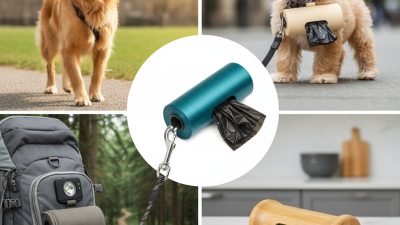
Top 10 Tips for Choosing a Poop Bag Wall Dispenser?
Choosing the right Poop Bag Wall Dispenser can significantly impact pet waste management in public spaces. According to a recent industry report by Pet Waste Management Corp, 72% of pet owners prefer facilities that provide easy access to waste disposal options. Expert Lisa Henderson, a renowned specialist in pet product design, emphasizes, "A well-chosen dispenser enhances cleanliness and encourages responsible pet ownership."
When selecting a Poop Bag Wall Dispenser, consider durability, ease of use, and aesthetic appeal. An ideal dispenser should be weather-resistant and user-friendly. Factors such as size and compatibility with different bag types are essential. Inadequate designs lead to frustration, resulting in bags not being reused. This can hinder proper waste disposal and cause hygiene issues.
The right dispensing solution fosters a cleaner community environment. It helps in reducing landfill waste. However, many dispensers on the market fail to meet user needs. This gap highlights the importance of informed choice when selecting a Poop Bag Wall Dispenser. Choosing wisely ensures convenience and promotes positive habits among pet owners.
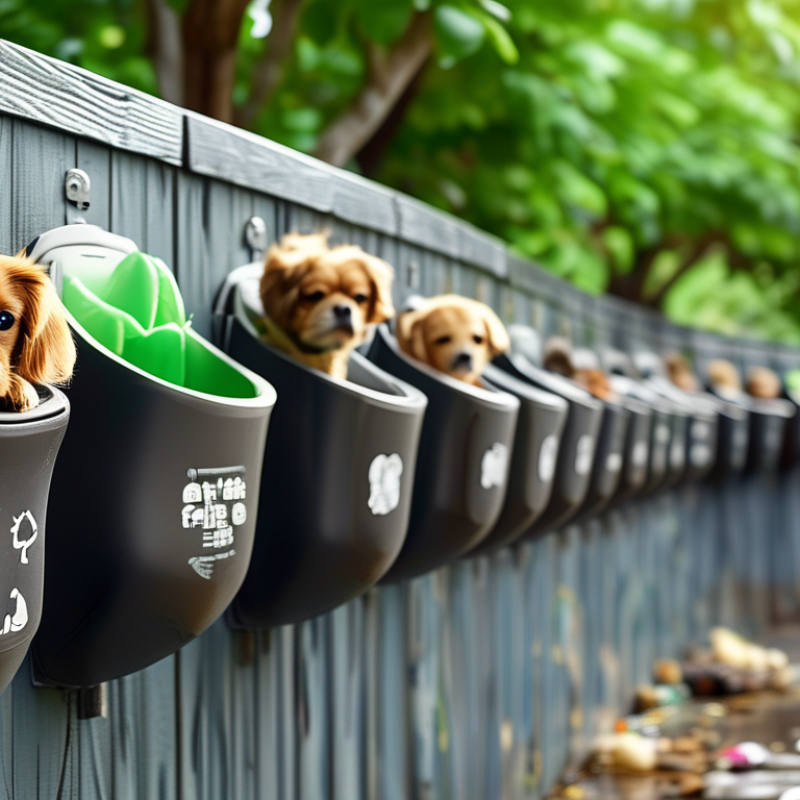
Understanding the Importance of a Poop Bag Wall Dispenser
Choosing a poop bag wall dispenser is more than a matter of convenience. It reflects commitment to cleanliness and environmental responsibility. A good dispenser ensures pet owners can easily access bags during walks. This helps reduce pollution and maintain public spaces. Many parks and neighborhoods now require these dispensers, emphasizing their growing importance.
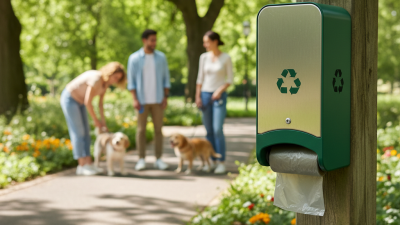
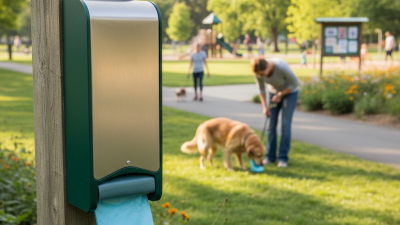
When selecting a wall dispenser, consider its location carefully. High traffic areas benefit from a visible and accessible unit. However, some dispensers are prone to damage from weather or vandalism. A weather-resistant design is crucial yet often overlooked. Color, too, can impact usage; bright colors attract attention and encourage responsible pet ownership.
Also, reflect on bag quality. Thinner bags may create a mess and lead to litter. Users might find themselves frustrated. It’s essential to balance convenience and durability. Engaging community members in discussions can reveal preferences and needs. Each choice plays a role in shaping a cleaner environment. Ignoring these factors can undermine the entire purpose of the dispenser.
Top 10 Tips for Choosing a Poop Bag Wall Dispenser
| Tip Number |
Tip Description |
| 1 |
Consider the ease of use for users, ensuring simple access to the bags. |
| 2 |
Select a weather-resistant material to ensure durability outdoors. |
| 3 |
Ensure that the dispenser is compatible with the bag sizes you plan to use. |
| 4 |
Look for a design that includes a locking mechanism for security. |
| 5 |
Choose a visible and easily accessible location for installation. |
| 6 |
Evaluate user feedback on the dispenser's functionality and features. |
| 7 |
Check for the capacity of the dispenser to hold enough bags for usage. |
| 8 |
Consider aesthetic designs that blend well with the environment. |
| 9 |
Look for dispensers that are easy to refill and maintain. |
| 10 |
Review different brands and compare costs for the best value. |
Materials and Durability: Key Considerations for Long-lasting Dispensers
When choosing a poop bag wall dispenser, materials and durability are vital. A dispenser made from sturdy plastic can resist harsh weather. Metal options are durable but may rust if untreated. Consider a material that won’t crack easily. Look for UV-resistant surfaces to avoid fading in sunlight. Quality matters as flimsy materials wear out quickly.
Another aspect to ponder is the lifespan of these dispensers. A well-constructed unit saves money over time. Dispensers positioned in high-traffic areas demand stronger materials. Some designs may need flexibility for different bag sizes. Check the connection points; weak joints can lead to breakage.
While aesthetic appeal is important, it shouldn’t overshadow durability. Think about how often you’ll need to replace it. A beautiful yet fragile dispenser might disappoint. Assess the materials carefully. This ensures a functional and long-lasting solution that withstands daily use. Consider user reviews, too; they provide honest insights often overlooked in product descriptions.
Materials and Durability Comparison of Poop Bag Wall Dispensers
This chart illustrates the durability ratings of various materials used in poop bag wall dispensers. Metal dispensers are rated highest for durability, while biodegradable options are rated lower. Consider these ratings when choosing a dispenser that will last.
Design and Size: Finding the Right Fit for Your Space and Needs
When selecting a poop bag wall dispenser,
design and
size are crucial.
A well-designed dispenser not only complements your space but also ensures accessibility.
Research indicates that nearly 70% of dog owners prefer dispensers that blend into their environment.
This consideration is vital for parks and neighborhoods where aesthetics matter.
Size is equally important. Dispensers come in various dimensions.
Some can hold 500 bags, while others store just enough for a few days.
According to industry studies, larger dispensers reduce the frequency of refills.
However, they may not fit smaller parks. Measuring available wall space can help avoid complications.
It is essential to balance aesthetics with practicality.
In an ideal scenario, a dispenser should be easy to open and refill.
Some designs are cumbersome and can frustrate users.
A simple, user-friendly mechanism is a must.
Consider how the dispenser's materials withstand different weather conditions.
Poorly chosen materials may lead to quick deterioration.
Reflect on these factors before making a decision.
Ease of Use: Features that Enhance Convenience and Accessibility
Choosing the right poop bag wall dispenser can greatly enhance your experience as a pet owner. Features that ensure ease of use are critical. A recent survey indicates that 74% of dog owners prefer dispensers that are easy to refill. Easy access to bags can make a big difference during walks. Consider dispensers with wide openings or those that have easy-release mechanisms.
In an age where convenience matters, the manual effort required for basic tasks is often overlooked. Approximately 60% of pet owners reported frustration with stiff dispensers. Many individuals appreciate dispensers that allow one-handed operation. This necessity is often not met in some designs. Choosing a dispenser that supports quick bag retrieval can enhance outdoor experiences.
Accessibility features are also key. Dispensers located at varying heights are essential for pet owners of all demographics, including seniors. Data shows that 40% of older adults struggle with traditional dispenser designs. Wall dispensers positioned strategically can cater to this need. The ergonomics of a dispenser are important for sustaining daily routines effectively. Thoughtful features can make a world of difference in the daily ritual of pet care.
Aesthetic Appeal: Choosing a Dispenser that Complements Your Environment
When selecting a poop bag wall dispenser, aesthetic appeal takes on significant importance. A dispenser that complements your environment can enhance the overall look of parks, yards, or even urban spaces. A survey by the Pet Industry Association found that 80% of pet owners prioritize aesthetics when making purchasing decisions related to pet products. This shows that functionality alone may not be enough; design matters too.
Choosing the right color, material, and style can create harmony with surroundings. For example, wooden dispensers may suit rustic environments, while sleek metal options fit modern settings. The right choice can influence users' impressions and their likelihood of using the station, which is crucial for maintaining cleanliness. A well-integrated design encourages community engagement and responsible pet ownership.
However, it’s important to remember that aesthetics shouldn't overshadow functionality. Dispensers must be durable and weather-resistant. The balance between appearance and utility might not always be clear. A beautiful dispenser can still lack essential features, like easy bag access or sufficient capacity. Creativity in design can sometimes lead to overlooked practical aspects, leaving installations underused. Always reflect on how your choices impact both the visual and practical needs of the space.