2026 How to Effectively Dispose Of Dog Poop In Your Neighborhood?
In many neighborhoods, a persistent problem arises: how to effectively dispose of dog poop. According to Dr. Emily Turner, a leading expert in pet waste management, “Proper disposal of dog poop is essential for community health.” Her insight highlights the impact of pet waste on our environment.
Properly disposing of dog poop goes beyond personal responsibility. It affects water quality and local wildlife. Uncollected waste can lead to harmful bacteria seeping into storm drains. This can harm aquatic ecosystems. Many dog owners may overlook these issues, focusing only on convenience.
Housing a pet means being accountable. A simple act of cleaning up after one's dog can prevent larger problems. While some might use bags, they often discard them improperly. Awareness and education are key to changing behaviors. Finding effective ways to dispose of dog poop can significantly enhance our communities. Reconsidering our habits may lead to cleaner parks and healthier neighborhoods.
Understanding the Importance of Proper Dog Poop Disposal
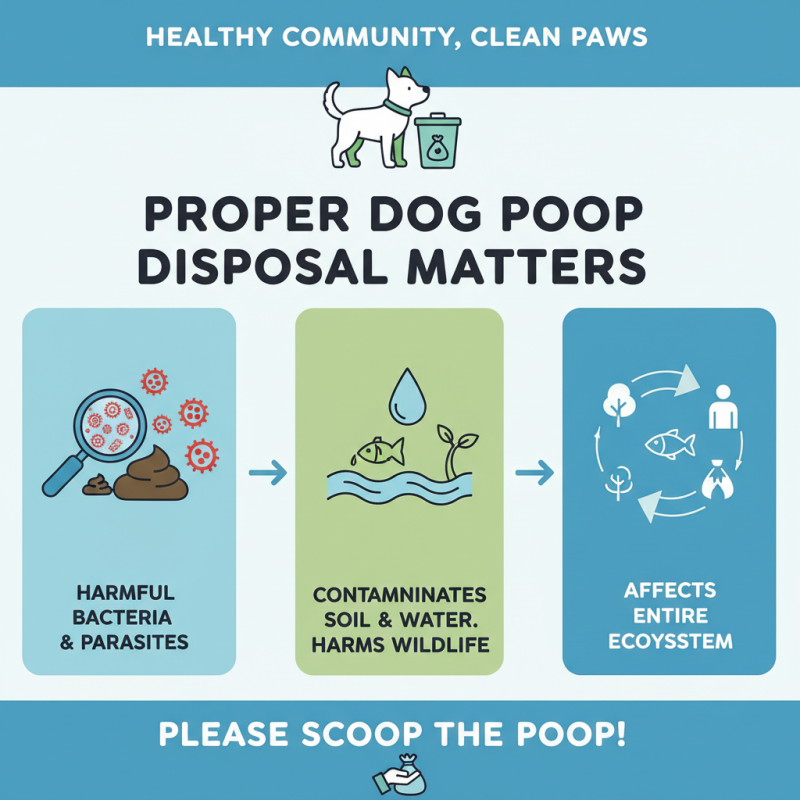
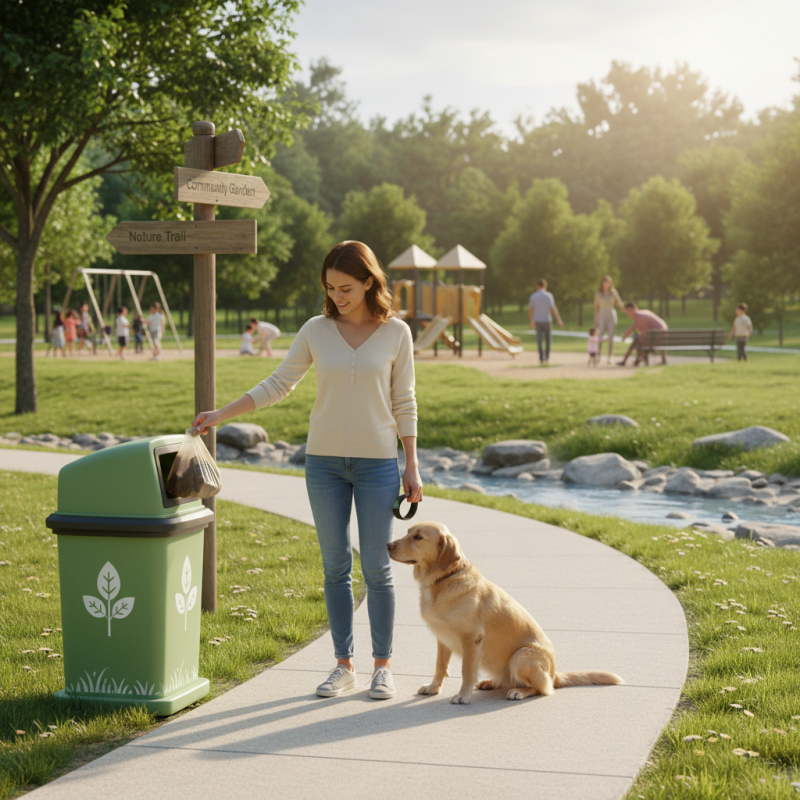
Proper dog poop disposal is crucial for a healthy community. It might seem like a small issue, but neglecting it can lead to significant problems. Dog waste carries harmful bacteria and parasites. These can contaminate soil and water. When it rains, waste can wash into local streams and lakes, harming wildlife. This, in turn, affects the whole ecosystem.
Many dog owners don’t realize the impact of leaving waste behind. A simple act like forgetting to clean up can have far-reaching effects. It might even result in health concerns for children who play in public spaces. We need to encourage responsible pet ownership. This can start with providing waste stations in neighborhoods. Public awareness campaigns can help inform people about the importance of proper disposal.
Dog waste is not just a nuisance; it’s a community issue. Sometimes, we see waste left on sidewalks or parks. It’s unpleasant and reflects poorly on our neighborhoods. While many may have good intentions, action is necessary for change. Encouraging each other to pick up after pets can create a cleaner, safer environment for everyone.
Common Methods for Disposing of Dog Waste Effectively
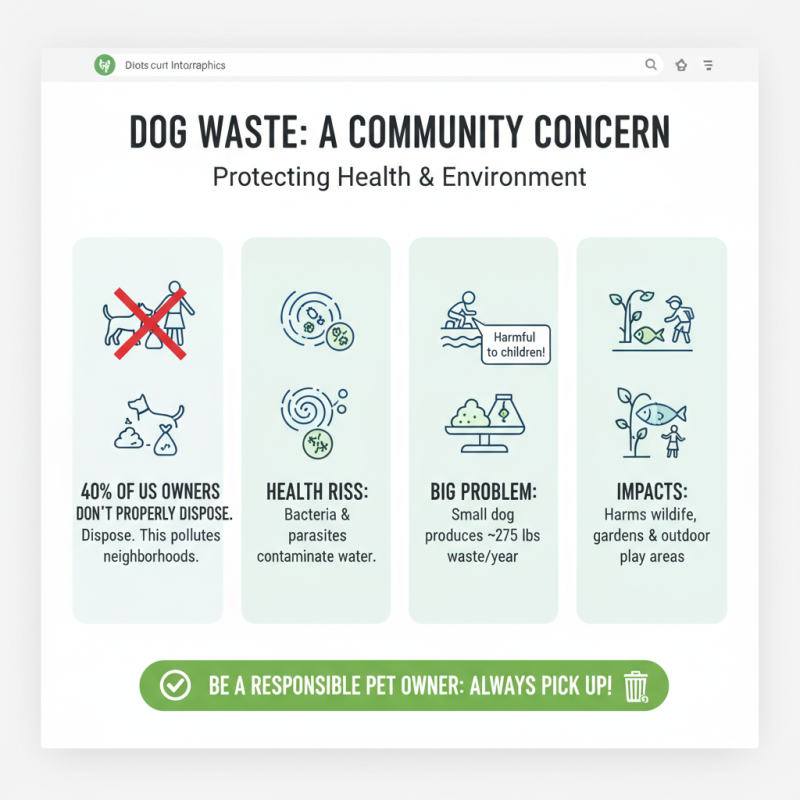
Disposing of dog waste properly is crucial for community health. Studies show that about 40% of dog owners in the U.S. do not dispose of their pet's waste properly. This leads to pollution and health risks in neighborhoods. The bacteria and parasites in dog poop can contaminate water sources. A small dog can produce about 275 pounds of waste each year. This waste can harm local wildlife, gardens, and kids playing outdoors.
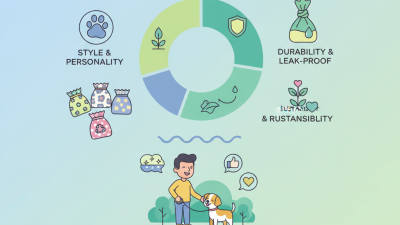
One common method for disposal is using biodegradable bags. These bags break down faster than regular plastic. However, not all bags are created equal. Some may still linger in the environment for years. Another method is composting. Dog waste composting allows for safe breakdown if processed correctly, but many lack the knowledge on how to do it. It's crucial to have a separate compost system for dog waste to avoid cross-contamination with food waste.
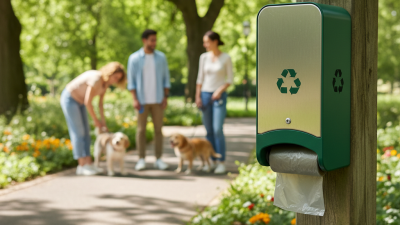
Some communities provide waste stations. These stations include bags and disposal bins. They help remind owners of their responsibility. Yet, even with these installations, it’s reported that up to 50% of dog waste remains uncollected. This highlights a gap between available resources and responsible pet ownership. Working together, neighborhoods can improve waste management practices, but awareness is still needed.
Best Practices for Dog Owners in Neighborhood Cleanup
Dog ownership comes with responsibilities. One of the most important is cleaning up after your pet. Many neighborhoods suffer from dog waste left unattended. This not only creates an unpleasant environment but can also impact local wildlife and water sources.
Encouraging responsible disposal starts with preparation. Always carry waste bags during walks. It’s a simple yet effective solution. Choosing biodegradable bags shows more care for the environment. However, even the best intentions can falter. Sometimes, bags are forgotten at home, or a dog might leave a surprise before you realize it. These moments call for reflection. Can you improve your routine to avoid this?
Community clean-up efforts can make a big difference. Organize or participate in neighborhood clean-up days. This brings dog owners together and raises awareness. Simply talking to fellow dog owners can spark motivation. Leaving visible reminders about the importance of cleanup can also help. Everyone benefits from a clean park or street. Your actions can inspire others, creating a greener space for everyone.
The Role of Community Initiatives in Waste Management
Community initiatives play a pivotal role in managing dog waste effectively. Local groups can organize clean-up events. These gatherings raise awareness. They also foster a sense of community responsibility. Everyone can pitch in to keep sidewalks and parks clean.
Education is essential in these initiatives. Workshops can teach pet owners proper disposal methods. Simple signs in public spaces remind dog owners of their duties. Visual reminders can influence behavior. Yet, not all dog owners participate. This inconsistency creates litter problems.
Moreover, collaboration is key. Local governments can partner with community organizations. Providing waste bags at dog parks is a positive step. However, it’s frustrating when bags are misused or left empty. Continued efforts are needed to encourage responsible pet ownership. Everyone shares the responsibility of maintaining a clean neighborhood.
2026 Dog Poop Disposal Effectiveness in Neighborhoods
This bar chart illustrates the effectiveness of various community initiatives implemented to manage dog poop disposal in neighborhoods as of 2026. The data reflects the percentage of residents who report effective disposal due to these initiatives.
Environmental Impact of Dog Waste and Cleanup Solutions
Dog waste significantly impacts our environment. Each year, nearly 10 million tons of dog waste are generated in the U.S. alone. This waste can pollute waterways and harm wildlife. Many people underestimate the consequences of neglecting proper disposal methods.
The bacteria and parasites present in dog poop can contaminate soil and water. A single gram of dog feces can contain 23 million fecal coliform bacteria, posing risks to human health. Additionally, dog waste contributes to nutrient pollution, which can lead to algae blooms in local water bodies. This disrupts aquatic ecosystems and affects fish populations.
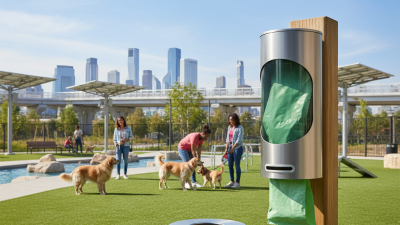
Effective cleanup solutions exist. Many communities adopt dog waste stations that encourage responsible pet ownership. These stations provide bags for easy collection, promoting proactive disposal. Composting dog waste can also be an option if done correctly. However, not everyone participates, leading to persistent pollution.
Educating pet owners about the long-term environmental costs is crucial. Change is possible, but awareness must increase.