Top 10 Ways to Dispose Of Dog Poop Effectively?
Dog ownership brings joy but also responsibilities. One of the most unpleasant tasks for pet owners is to effectively Dispose Of Dog Poop. According to Dr. Sarah Thompson, a leading expert in pet waste management, "Proper disposal of dog waste is essential for health and environmental reasons."
Many people don't realize the risks associated with improper disposal. Leaving waste on the ground can contaminate water sources and spread disease. Some dogs might even get sick from their own or other animals’ waste. Pet owners need to take this seriously.
There are plenty of methods to handle dog waste. However, it often comes down to personal habits and knowledge. While some choose to use biodegradable bags, others may rely on waste disposal services. Regardless of the method, understanding how to Dispose Of Dog Poop can make a significant difference. Reflecting on our choices is key to responsible dog ownership.
Understanding the Importance of Proper Dog Poop Disposal
Dog poop disposal is crucial for public health. Pet waste contains harmful bacteria and parasites. According to the CDC, dog feces can transmit diseases like giardiasis and salmonellosis. Improper disposal increases these risks in parks and neighborhoods.
The Environmental Protection Agency (EPA) states that pet waste contributes significantly to water pollution. When it rains, waste can wash into storm drains. This process contaminates our waterways, harming aquatic ecosystems. A survey indicates that only 60% of dog owners consistently clean up after their pets. This behavior must change to safeguard our environment.
Cleaning up dog waste should be a daily priority. Many local governments have set regulations for proper disposal. Yet, awareness remains low. Reports suggest that communities with clear waste disposal campaigns show improved compliance. It's evident: education and accessibility matter in promoting responsible pet ownership.
Choosing the Right Tools for Dog Waste Collection
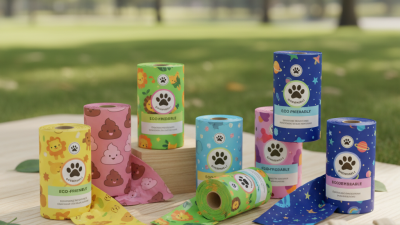
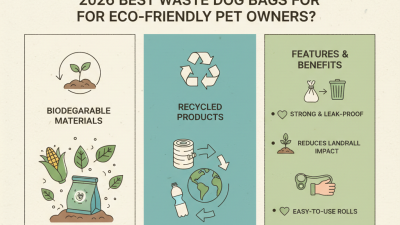
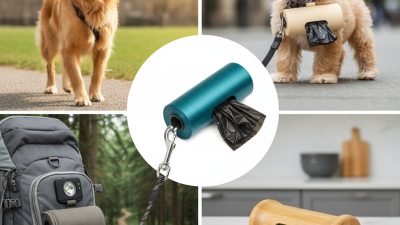
Choosing the right tools for dog waste collection can make a big difference. Using the right bag is essential. Look for biodegradable options, as they are better for the environment. Many dog owners prefer bags that are strong and leak-proof. You want to avoid messy surprises during clean-up.
Consider a pooper scooper. This tool can make the task easier on your back. Some models come with a long handle, keeping you at a distance. There are also options with claws that grab waste directly. Think about what suits your needs best.
Remember, no tool is perfect. Bags can tear. Scoopers might miss some waste. It’s important to check regularly and refine your process. This should be part of responsible pet ownership. The right tools can simplify the task but require consistent effort and care.
environmentally Friend Disposal Methods for Dog Poop
When it comes to dog poop disposal, many pet owners overlook the environmental impact. Traditional plastic bags often end up in landfills, taking years to decompose. A more sustainable option is to use biodegradable bags. These bags break down much faster, reducing waste and pollution in our environment. While they are a better choice, it's crucial to ensure they truly meet eco-friendly standards.
Another method is composting dog waste. This process requires a dedicated compost bin and specific conditions. Ideally, the compost should reach high temperatures to kill pathogens. This way, the result is not only safe but also nutrient-rich fertilizer for non-edible plants. However, pet owners must be cautious. Improper composting can lead to health risks.
If composting isn't an option, consider flushing the waste. Many sewage systems can handle dog waste effectively. It's a quick and clean method that can prevent waste from piling up. Still, not all plumbing systems are suitable, so it’s essential to check local regulations. Overall, exploring eco-friendlier disposal methods contributes to a cleaner planet and promotes responsible pet ownership.
Top 10 Ways to Dispose Of Dog Poop Effectively
Steps for Safe and Hygienic Dog Poop Disposal
Proper disposal of dog poop is essential for hygiene and environmental health. Many dog owners may overlook the importance of this task. A responsible approach requires careful steps to ensure safety and cleanliness.
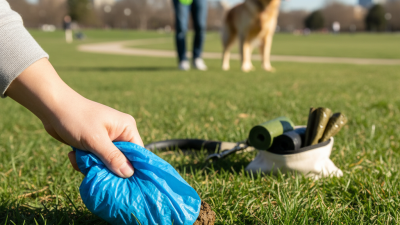
Using biodegradable dog waste bags can be a simple start. They break down over time, reducing environmental impact. However, using these bags alone isn’t enough. Always tie the bag securely before throwing it in the trash. Leaving it out for an animal to chew can be risky.
For those with gardens, burying dog waste is an option. Yet, it poses some challenges. The waste must be deep enough to avoid smell and attract pests. Or consider composting, but this requires knowledge. Not all compost methods can handle pet waste safely. In some cases, dog owners might feel overwhelmed. Seeking advice from veterinary professionals can help clarify the best disposal methods. Understanding these steps leads to a healthier environment for our furry friends and the community.
Creative Solutions for Managing Dog Waste in Urban Areas
Urban areas face unique challenges in managing dog waste. Pet owners need practical, efficient solutions that align with city living. One effective approach is using biodegradable bags. These bags break down over time, reducing landfill impact. However, it’s essential to dispose of them properly. Many cities lack composting facilities for pet waste. This creates a dilemma: good intent can lead to inadequate disposal.
Community composting programs offer a creative solution. Neighbors can collaborate to create shared compost bins for dog waste. This can reduce waste in landfills and create a sustainable system. Education is vital here. Residents must understand what can and cannot be composted. Trials in some neighborhoods show promising results, yet challenges remain. Maintenance and proper usage require ongoing commitment.
Another idea involves neighborhood poop patrols. Volunteers can help keep parks clean, encouraging responsible pet ownership. This fosters a sense of community but relies heavily on participation. Regular clean-up days can provide a social aspect and boost awareness. Yet, inconsistencies in participation can lead to frustration. Advocating for stricter regulations around dog waste can also prompt change. Balancing personal responsibility with community action is key to effective waste management.