Best Poop Bags Tips for Eco-Friendly Pet Owners?
Choosing the right poop bags is essential for eco-friendly pet owners. With the rise in environmental awareness, many pet guardians seek sustainable options. Traditional plastic bags contribute significantly to pollution. Adopting biodegradable poop bags can help mitigate this issue.
When selecting poop bags, consider their materials and disposal methods. Some bags are marketed as biodegradable but may still contain harmful chemicals. Researching brands can uncover options that align with your values. Look for certifications that guarantee environmental safety. You might find it challenging to choose between price and sustainability, but investing in quality bags pays off long-term.
Sometimes, eco-friendly choices feel less convenient. However, every small action contributes to a larger impact. Reflect on your choices and consider the future of our planet. As pet owners, we share the responsibility of caring for the environment. With the right poop bags, you can ensure a cleaner home and a healthier planet.
Choosing Biodegradable Poop Bags: Key Materials to Consider
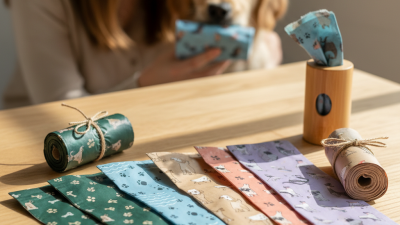
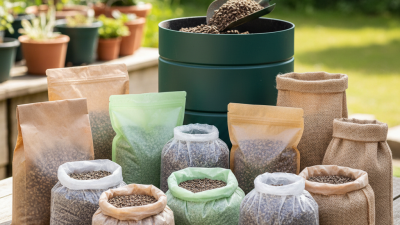
Choosing the right biodegradable poop bags is crucial for eco-friendly pet ownership. Many materials claim to be biodegradable, but not all live up to expectations. One common choice is plant-based materials like cornstarch. These bags break down more easily than traditional plastic. However, they require specific conditions to decompose fully, such as warmth and moisture.
Another option is bags made from recycled paper. They are often sturdy and compostable, but they may not hold up as well in wet conditions. Some pet owners might overlook the impact of synthetic additives. Even if labeled biodegradable, bags with additives may not degrade properly in landfills. Reflecting on these options can help you make a better choice for the environment.
It's important to consider your local waste disposal options. Some biodegradable bags need industrial composting facilities. If such options aren't available, they could still end up in landfills. That can be disappointing for eco-conscious owners. Ultimately, finding the right balance requires research and thoughtful consideration. Aim for bags that align with your values and local infrastructure.
Best Poop Bags Tips for Eco-Friendly Pet Owners
| Material |
Biodegradability |
Compostability |
Durability |
Average Price (per roll) |
| Cornstarch |
Yes (within 90-180 days) |
Yes |
Medium |
$10 |
| PLA (Polylactic Acid) |
Yes (within a few months) |
Yes (commercial composting) |
Medium to High |
$12 |
| Recycled Paper |
Yes (within weeks) |
Yes |
Low |
$8 |
| Plant-based Materials |
Yes (within 90 days) |
Yes |
Medium |
$11 |
| Bio-based Plastics |
Partially (depends on type) |
No |
High |
$15 |
Understanding the Environmental Impact of Traditional Plastic Bags
Traditional plastic poop bags pose a significant environmental threat. They take hundreds of years to decompose. During this time, they accumulate in landfills and oceans, harming wildlife and ecosystems. Standard plastic can contribute to microplastic pollution, which further exacerbates environmental damage. This pressing issue prompts pet owners to reconsider their choices.
Consider switching to biodegradable or compostable bags. These options break down more quickly than traditional plastic. They are often made from plant-based materials, which significantly reduces their overall environmental impact.
Another great tip is to buy bags in bulk. This reduces packaging waste and ensures you always have an eco-friendly bag on hand.
Finding creative ways to repurpose your bags can also help. Use them for trash, storage, or even gardening. It’s a small step that can make a big difference. Awareness and action matter. Every little effort contributes to a healthier planet.
Best Practices for Disposing of Poop Bags Responsibly
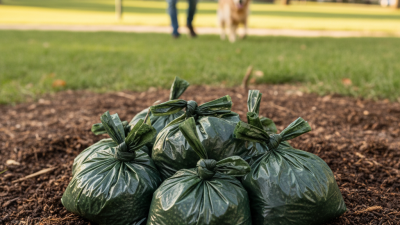
Disposing of poop bags responsibly is crucial for eco-friendly pet owners. When you take your pet for a walk, always have bins in mind. Many parks and public areas provide waste bins specifically for pet waste. However, not all neighborhoods have these options. Always look for local guidelines. Some areas may even have composting programs for pet waste.
If you don't find a suitable bin, keeping the bag until you get home is best. This method reduces litter and ensures proper disposal in your trash. Many users overlook this option. Remember, no bag is entirely biodegradable. Even those labeled as “biodegradable” can take time to decompose.
Consider alternative disposal methods as well. Some communities offer collection services that specialize in pet waste. These companies often use eco-friendly processes. Yet, many people are unaware of these services. Familiarizing yourself with local resources can significantly reduce your environmental impact. The choice you make matters for your pet and the planet.
Tips for Training Your Pet to Use Designated Areas
Training your pet to use designated areas for bathroom needs can be a challenging yet rewarding experience. It helps maintain cleanliness and reduces the environmental impact. Start by selecting a specific spot in your yard or a designated area in your home. Consistency is key, so always take your pet to this spot.
When your pet uses the area, immediately reward them with praise or treats. This positive reinforcement helps them associate the spot with good experiences. If accidents happen, don’t scold your pet. Instead, clean the area thoroughly and redirect them to the designated spot. Over time, your pet will learn where to go.
Consider implementing a routine. Take your pet out at the same times daily, such as after meals or naps. This establishes a habit. Keep an eye on their behavior; signs like sniffing or circling may indicate they need to go. Small adjustments can make a significant difference in their training. Focus on patience and steady progress. Remember, every pet is unique and may require different approaches.
Eco-Friendly Poop Bag Brands: What to Look For
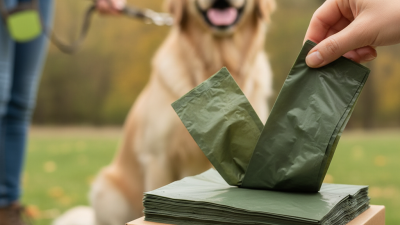
When selecting eco-friendly poop bags, pet owners should prioritize biodegradable materials. Research indicates that over 1 billion plastic bags contribute to landfill waste annually. Many biodegradable options break down within 90 to 180 days, significantly reducing environmental impact.
Consider bags made from cornstarch or plant-based materials. These options often decompose more effectively than traditional plastic. Not all biodegradable bags are created equal. Look for certification labels that guarantee compostability. The ASTM D6400 standard is a reliable indicator of performance.
Tip: Always check for a seal of approval on the packaging. Not every so-called eco-friendly bag meets rigorous standards. Another important factor is thickness. Thinner bags may tear easily and can result in spills, negating their eco-benefit. User reviews often reveal durability insights. Choose brands that emphasize transparency in sourcing and production processes. This fosters trust and ensures ethical practices.