How to Choose the Best Extra Large Poop Bags for Your Pet Needs?
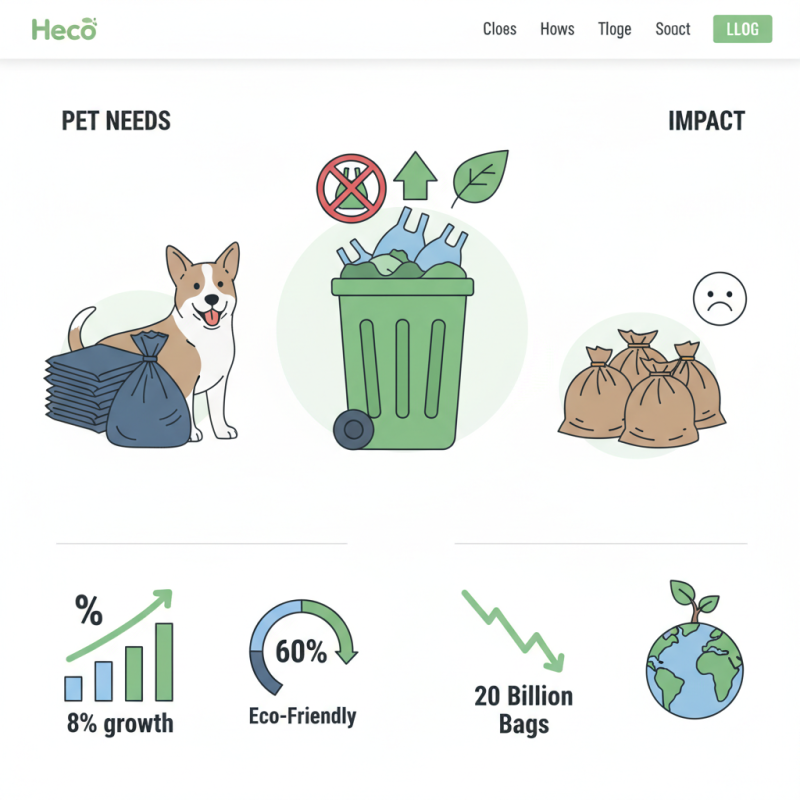
Choosing the right extra large poop bags for your pet is essential. Recent industry research shows that over 60% of pet owners prioritize eco-friendly options. The demand for extra large poop bags has surged, with projections indicating a growth rate of 8% annually through 2026.
Pet owners often overlook the importance of size and strength. Extra large poop bags provide the necessary capacity for larger breeds. Many times, customers rush their decision, only to face leaks or tears. Unfortunately, this can lead to messier clean-ups and wasted materials.
Additionally, considering the environment is crucial. According to a 2022 report, about 20 billion plastic bags end up in landfills annually. Selecting the right extra large poop bags can reduce this number. Thoughtful choices can have a lasting impact.
Understanding the Importance of Extra Large Poop Bags for Pets
When it comes to pet care, extra large poop bags play a crucial role. They provide ample space for large waste, reducing the chances of spills. Many pet owners underestimate this aspect. However, managing pet waste effectively keeps the environment clean. It also promotes public health.
Choosing the right bags can be challenging. Some options are too thin and tear easily. Others may not fit well with certain leash bag holders. It's essential to consider durability and size. You want a bag that can handle larger dogs without breaking. Not all pet owners realize the impact of using subpar bags. This could lead to inconvenient messes that are unpleasant to handle.
Proper disposal is also significant. Biodegradable options are better for the planet. Yet, they can be harder to find in extra large sizes. It’s important to balance convenience and eco-friendliness. Reviewing reviews and testing different products can help identify the best choice. The journey to find adequate poop bags is often filled with trial and error. Therefore, pet owners must be mindful and flexible in their choices.
How to Choose the Best Extra Large Poop Bags for Your Pet Needs?
| Feature |
Description |
Importance |
| Size |
Typically measures around 13x20 inches, suitable for large breeds. |
Ensures adequate space for pet waste, preventing spills. |
| Material |
Biodegradable options made from plant-based materials. |
Environmentally friendly and reduces landfill impact. |
| Strength |
Tear-resistant and leak-proof designs. |
Prevents messes and ensures hygiene during disposal. |
| Dispenser Compatibility |
Fits standard dispensers for convenience. |
Easy access during walks, encourages usage. |
| Scented Options |
Available with pleasant scents to mask odors. |
Improves the experience of handling waste. |
| Quantity per Roll |
Commonly offered in rolls of 15-30 bags. |
Ensures a sufficient supply for daily walks. |
Key Features to Look for in Extra Large Poop Bags
When selecting extra large poop bags, several key features come into play. First, consider the thickness and durability of the material. You want a bag that won't tear easily and can handle hefty loads. Look for bags that mention strength. Thin bags can create a mess.
Another essential feature is the seal. A reliable seal ensures odors are contained. Some bags have a drawstring or other closing mechanisms. This can make handling waste much easier. Think about the size as well. Extra large bags are ideal for bigger pets or multiple uses. You don't want to struggle with insufficient space.
Lastly, consider eco-friendliness. Many bags are now made from biodegradable materials. It’s a nice touch for the environment. However, be cautious with claims. Not all biodegradable bags break down quickly in all conditions. This requires some research. When buying, don't rush—double-check the specs to find the perfect fit for your needs.
Comparing Different Materials Used in Poop Bags
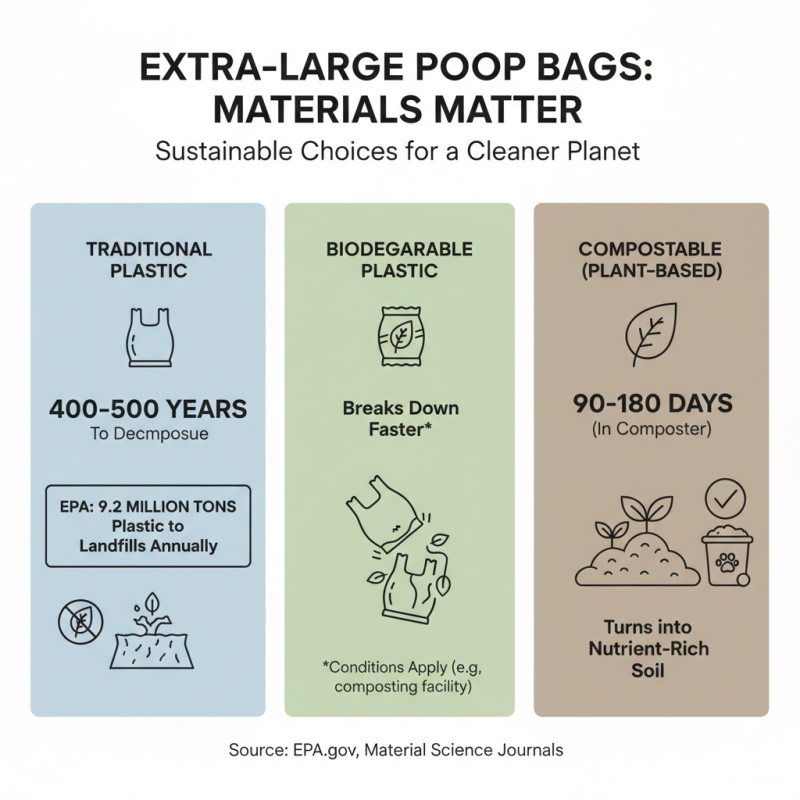
When choosing extra large poop bags, it's essential to consider the materials used. Many options are available, each with distinct properties. Traditional plastic bags are common but can take hundreds of years to decompose. According to the EPA, approximately 9.2 million tons of plastic waste ends up in landfills annually. This statistic raises concerns about environmental impact.
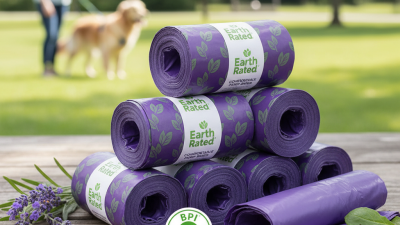
Biodegradable poop bags are an eco-friendly alternative. These bags can break down faster, especially when exposed to moisture and microorganisms. Research shows that certified compostable bags can decompose within 90 days in commercial composting facilities. However, even biodegradable options can sometimes carry hidden challenges. They may not break down efficiently in standard landfills.
Tips: Always check the bag's label. Look for certifications that claim compostability. Remember, not all bags labeled as "biodegradable" break down effectively in home compost. Durability is also crucial—an extra-large bag should hold up under pressure. Make sure the material is thick enough to prevent tears. A flimsy bag can lead to messy situations that no pet owner wants to face. Consider your local environment and disposal options carefully.
Evaluating Eco-Friendly Options for Dog Waste Disposal
Choosing eco-friendly poop bags for your pet is important. Many options are available, and it can be overwhelming. Not all biodegradable bags are the same. Some dissolve quickly, while others take much longer. You want your bags to be effective and reduce waste.
When evaluating options, look for materials that break down in landfills. Some bags are made from plant-based plastics, which are a better choice. Also, consider the thickness of the bags. Thicker bags may hold more waste and reduce the chance of leaks.
Tips: Check if the bags have certifications. This ensures they meet eco-friendly standards. Always carry extra bags during walks to avoid unpleasant surprises. Remember, using fewer bags can also help—pick up only what is necessary. Reflect on your choices; every little action counts toward a cleaner planet.
Tips for Sizing and Storing Extra Large Poop Bags Efficiently
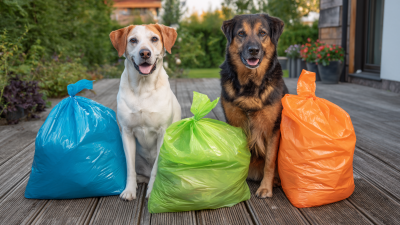
Choosing the right size of extra-large poop bags is essential for pet owners. It's important to ensure the bags are durable and spacious enough to handle the waste, especially for larger breeds. Many bags offer different dimensions, so check your pet's needs. A bag that feels too small may compromise your comfort during clean-up.
When it comes to storage, consider the size of your home or the areas where you'll be using the bags. Extra-large bags can take up more space. Simplifying storage might mean fewer bags per roll or optimizing vertical space. An overstuffed drawer can lead to frustration and wasted time when you need a bag quickly. Also, think about organizing your stock efficiently.
Consider using a designated container with a lid. The container can keep bags clean and dry. You might find it helpful to label sections by size. This could save a bit of time when you are rushing out for a walk. However, many people forget to check their supply regularly. Finding out you’re out of bags during a walk isn't ideal. Reflecting on your storage habits will help you avoid these hiccups.
Extra Large Poop Bags: Size and Storage Tips