Top Tips for Choosing the Best Disposable Dog Poop Bags?
Choosing the right Disposable Dog Poop Bags is crucial for pet owners. Studies reveal that approximately 63 million households in the U.S. own dogs. With so many pets, the demand for eco-friendly and reliable waste management solutions is increasing. A report from the American Pet Products Association indicates that spending on pet care reached over $100 billion in 2020. This includes specialized products like poop bags.
Quality matters significantly. Many bags on the market fail to biodegrade effectively, failing both the environment and pet owners. According to research from the Environmental Protection Agency, dog waste contributes to 20-30% of water pollution in urban areas. It's not just a cleanliness issue; it’s a regional health concern. Therefore, selecting superior Disposable Dog Poop Bags is imperative.
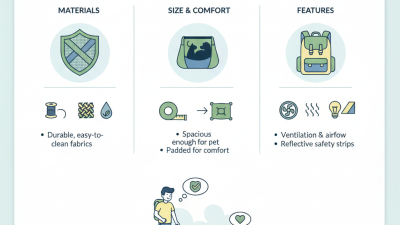
In this saturated market, pet owners must weigh factors such as material, size, and tear-resistance. Not all options are equal; some bags are disappointingly flimsy or too small for larger dogs. Reflecting on these choices can lead to better waste management practices. Ultimately, making informed decisions in selecting Disposable Dog Poop Bags can greatly impact our environment and the wellbeing of our communities.

Understanding the Importance of Quality in Disposable Dog Poop Bags
When selecting disposable dog poop bags, quality should be a primary concern. Studies show that over 63 million households in the U.S. own dogs, generating a significant amount of waste. Poor-quality bags often break, creating a mess that can lead to health risks. A robust bag guarantees safe and easy waste disposal. For example, a report by the American Pet Products Association states that dog owners spend over $60 million annually on pet waste disposal products. Investing in high-quality bags can save time and frustration.
Research highlights that biodegradable options are becoming essential. It's estimated that only 9% of plastic waste is recycled in the U.S. Many bags labeled as 'biodegradable' can still contribute to landfill issues if not disposed of correctly. Look for bags that meet stringent environmental standards. Reports indicate that bags marketed as fully compostable can take just 90 days to break down under the right conditions.
It's crucial to assess the dimensions and thickness of the bags. A typical bag should measure at least 9 x 13 inches and have a thickness of 15 microns. Larger dogs produce more waste, resulting in a higher likelihood of bag failure with subpar thickness. Unfortunately, many bags in the market don’t meet these standards. This inconsistency can lead to unexpected spills and embarrassment during walks, making quality an essential factor in your choice.
Material Selection: Biodegradable vs. Non-Biodegradable Options
When selecting disposable dog poop bags, the choice between biodegradable and non-biodegradable options is crucial. The demand for eco-friendly products is on the rise, with reports indicating a 25% increase in the biodegradable bag market from 2020 to 2022. This shift reflects pet owners’ growing environmental consciousness.
Biodegradable bags are made from materials that break down naturally. They typically contain plant-based additives, allowing them to decompose within months under proper conditions. In contrast, non-biodegradable bags, primarily crafted from traditional plastic, can take hundreds of years to break down. Industry data shows that 100 million plastic bags are used daily in the U.S. alone, contributing significantly to landfill waste.
While biodegradable options appear more environmentally friendly, not all bags labeled as biodegradable are created equal. Some require specific industrial conditions to break down. Pet owners must check for certifications like ASTM D6400 or EN 13432 to ensure proper compostability. Quality varies widely, and budget restrictions may force some into exploring cheaper, lower-quality bags. Each choice comes with environmental implications, highlighting the need for informed decisions in pet care.
Evaluating Size and Thickness for Optimal Performance
When selecting disposable dog poop bags, size and thickness are crucial factors. A well-sized bag ensures easy handling without spills. Standard bags usually measure between 9 to 13 inches in length. Too small, and you risk getting your hands dirty. A bag that’s too large may take up unnecessary space. Finding that sweet spot ensures convenience during walks.
Thickness plays a significant role in durability. Look for bags that are at least 15 microns thick. Thinner bags may tear easily, especially with larger loads. It’s disheartening to encounter a ripped bag mid-cleanup. The right thickness provides peace of mind. It’s worth testing a few options to find what works best for you. Consider the weight of your dog and the type of waste. Dense waste may require a sturdier bag.
Colors and scents are also factors to think about. Some owners prefer lightly scented bags to mask odors. Others find that fragrances can be overwhelming. Experimenting with different bags will help determine your preferences. Reflecting on the pros and cons of bag sizes and thicknesses can lead to more effective choices in the long run.
Top Tips for Choosing the Best Disposable Dog Poop Bags
Assessing Leak-Proof Features for Reliability and Convenience
When selecting a disposable dog poop bag, leak-proof features are vital for reliability. Nothing is worse than an unexpected mess during a walk. A truly leak-proof bag has strong seams and resilient materials. Look for bags that are thicker. Thinner bags often tear easily. You want to ensure that the bag can handle the weight and moisture without any chance of leakage.
A great tip is to assess the bag's closure mechanism. Zip-lock or tie handles are often more effective than simple twist ties. They create a tighter seal. A secure closure keeps odors contained and prevents spills. You should also consider the size of the bag. A well-sized bag accommodates various breeds comfortably. Bags that are too small may lead to messy situations.
While choosing bags, personal experiences can guide your decisions. Some users report that certain materials smell stronger than others. Others find that size varies significantly between brands. Testing a few options can help you identify the most reliable choice for your needs. Remember, convenience matters just as much as quality, so ensure that your favorite bags are easy to carry and use on daily walks.
Budgeting: Finding Cost-Effective Solutions for Dog Waste Management
When managing dog waste, budgeting is crucial. Many owners overlook how much they spend on poop bags. According to the American Pet Products Association, pet owners can spend between $100 to $300 annually on waste management supplies. Finding cost-effective solutions can ease the financial burden while still ensuring a clean environment.
Choosing the right dog poop bags doesn't have to break the bank. Look for biodegradable options, which can be affordable and environmentally friendly. A 2021 report from the Pet Industry Association indicated a 25% increase in demand for eco-friendly products. These bags cost slightly more upfront but can save money in the long run by reducing landfill disposal fees.
Consider purchasing in bulk. Many retailers offer discounts for larger quantities. This approach allows you to stock up while saving money. Moreover, review the quality of the bags. Cheaper options may tear easily, leading to messy situations and potentially additional costs. Read customer reviews to gauge durability and performance before buying. This way, you balance cost with quality and reliability effectively.