How to Choose the Best Degradable Poop Bags for Your Pet?
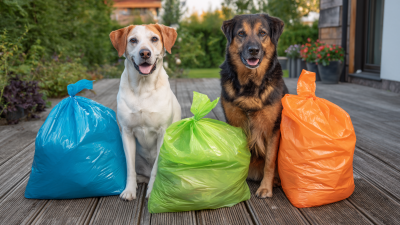
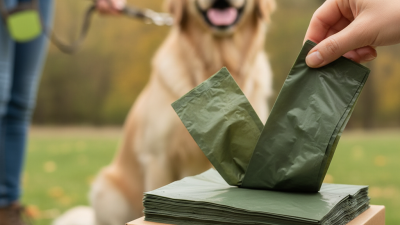
Choosing the right degradable poop bags for your pet is essential. As pet owners, we want to care for our environment and keep our communities clean. Degradable poop bags are an excellent solution to this problem. However, not all bags are created equal.
When selecting a degradable poop bag, consider material quality and durability. Many options claim to break down easily, but you should research their true effectiveness. Look for bags that are certified biodegradable and compostable. This ensures they will decompose properly. Additionally, some bags may tear easily or have unpleasant odors. Testing different brands can help you find what works best for you and your pet.
It is also important to reflect on your choices. Are you using enough bags? Are you disposing of them correctly? Small actions like these matter. Ultimately, the right degradable poop bags can make a significant difference in reducing waste and protecting our planet. Make an informed choice for your furry friend and the environment.
Understanding the Importance of Using Degradable Poop Bags
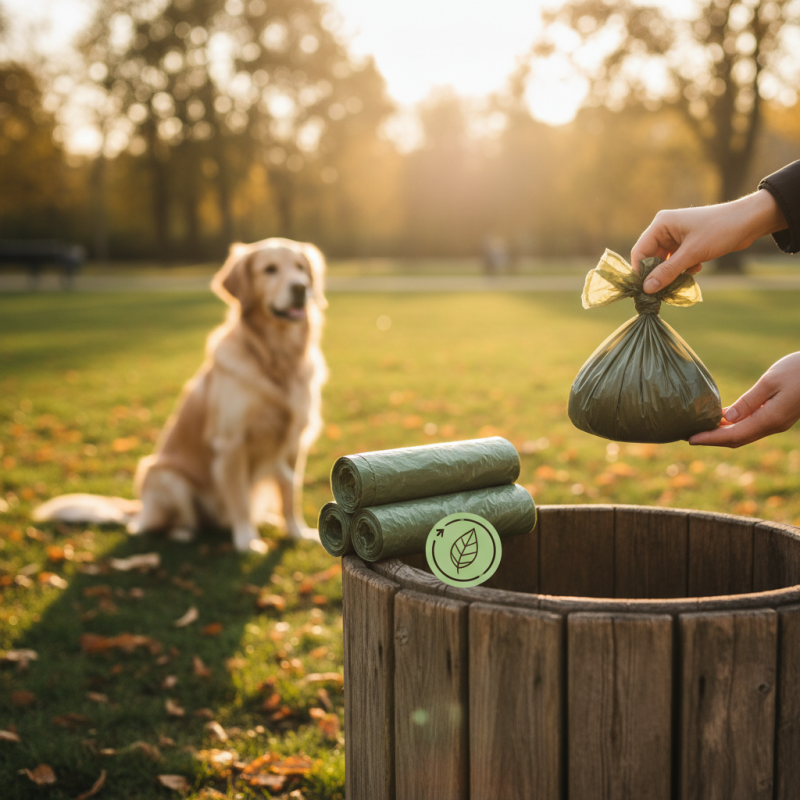
Using degradable poop bags is crucial for our environment. Traditional plastic bags take hundreds of years to break down. Meanwhile, degradable options can reduce waste significantly. They break down much quicker and are less harmful to nature.
Choosing the right degradable poop bags isn't easy. Many options can still have hidden materials. Some may still leave microplastics behind. As pet owners, we must critically evaluate our choices. Look for certifications and transparency in materials used. This effort leads to cleaner parks and safer habitats for wildlife.
It’s not just about convenience anymore. It's about responsibility. Every bag we use can impact our planet. We need to reflect on how our choices affect the environment. Pet care can be greener with thoughtful decisions. Let’s aim for a sustainable future, one poop bag at a time.
Types of Degradable Materials Used in Poop Bags
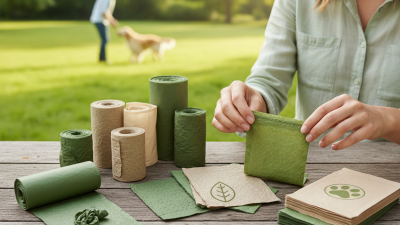
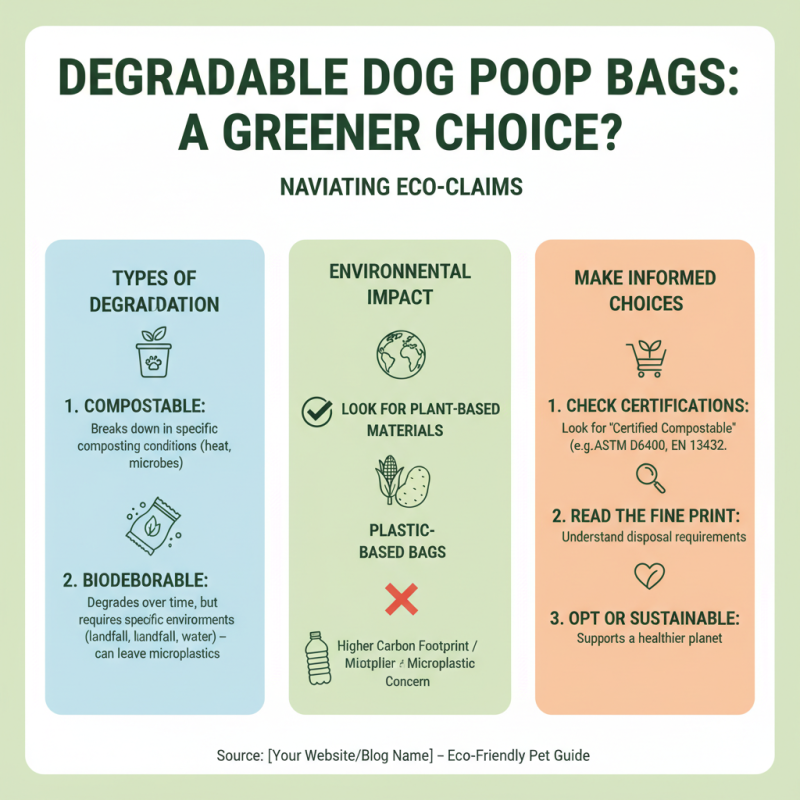
When selecting degradable poop bags for your pet, the materials used are crucial. Many bags claim to be eco-friendly, but the types of materials vary greatly. Commonly used materials include bioplastics, made from renewable resources. These bags break down more easily than traditional plastic. However, not all bioplastics are the same. Some require specific conditions to degrade fully.
Another option is compostable bags, crafted from organic materials like corn starch or vegetable oils. These bags decompose in a composting environment, which might not be found in every household. The benefit lies in reducing landfill waste. Still, users need to remember they also require proper disposal to fully serve their purpose.
Lastly, some bags are labeled as oxo-biodegradable. These are typical plastic bags infused with additives to speed up degradation. However, their effectiveness may vary, and they can leave microplastics behind. It's important to research and choose based on how the materials align with your values and environmental goals. While many options exist, there's no perfect solution. Each type has pros and cons to consider.
Key Features to Look for in Quality Degradable Poop Bags
When choosing degradable poop bags, several key features stand out. First, look for bags made from plant-based materials. These bags can break down faster than traditional plastic ones. They should have a certification indicating their compostability. Not all degradable bags are equal, so research is crucial.
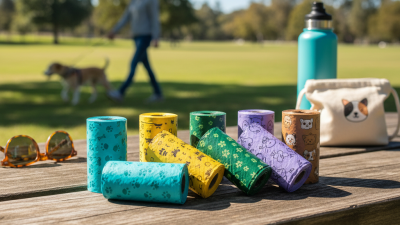
Another important aspect is size and thickness. The right size ensures easy handling, while thicker bags prevent leaks. You don't want to deal with a messy situation outdoors. A good seal is essential, too. Some bags come with ties, making disposal more convenient and secure.
Consider the scent of the bags as well. A light, pleasant scent can help mask unpleasant odors during disposal. However, some prefer unscented options for a more natural feel. It's worth noting that not all bags are perfect. You may encounter tears or weak seams. Always test a few bags before heading out. This extra step can save you from awkward moments on your walks.
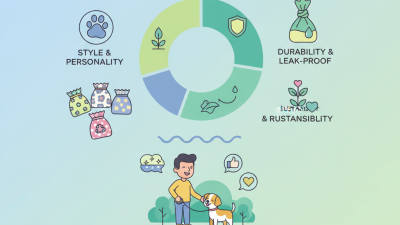
Comparison of Key Features in Degradable Poop Bags
Assessing the Environmental Impact of Different Brands
When considering degradable poop bags, it's essential to evaluate their environmental impact. Many products claim to be eco-friendly, but not all are created equal. Some bags break down in composting conditions, while others only degrade under specific settings. Look for bags made from plant materials. They usually have a lower carbon footprint.
Tips: Always examine packaging and ingredient lists before purchasing. If possible, try to find bags that have third-party certifications for biodegradability.
Not every bag marketed as “biodegradable” lives up to expectations. A few might break down only in commercial facilities. This can leave pet owners confused about disposal. The market is full of options, yet many require further reflection on their true sustainability.
Tips: Research customer reviews to see real experiences. This can highlight durability and environmental impact over time. Consider the type of pet you have and their needs when choosing.
Tips for Proper Disposal of Degradable Poop Bags
When using degradable poop bags, proper disposal is crucial. Many pet owners assume these bags will decompose in landfills. However, this isn’t always the case. In certain environments, like landfills, they can take years to break down. Therefore, consider composting options for biodegradable bags. It’s a practical alternative that benefits the soil.
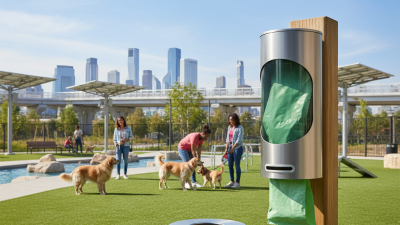
Proper disposal methods vary by area. Some municipalities have specific guidelines. It’s vital to follow these local regulations to ensure effective degradation. Never throw these bags in regular trash if your community has a composting program. Remember, not all composting facilities accept pet waste. Always check beforehand to avoid issues.
Educating others is also important. Encourage fellow pet owners to rethink their disposal practices. Share information about available options. Sometimes, a simple conversation can spark change. It’s a small effort that can lead to significant environmental benefits. Embracing these practices not only helps our pets but also protects the planet.