How to Choose the Best Compostable Bags for Dog Poop?
Choosing the right compostable bags for dog poop can feel overwhelming. With so many options available, it’s vital to make an informed decision. Industry expert Dr. Sarah Green emphasizes, "The right compostable bags not only simplify clean-up but also benefit the environment."
Compostable bags for dog poop are made from materials that break down naturally. Traditional plastic bags contribute to pollution and harm wildlife. In contrast, compostable bags help reduce waste. However, not all bags are created equal. Some may claim to be compostable but fail the necessary tests for eco-friendliness.
It’s essential to consider factors like durability and size. Some bags may tear easily, leading to a messy situation. Moreover, finding a certified compostable bag can be a challenge. This decision impacts not only your convenience but also our planet's health. Be mindful of the choices you make; they matter more than you might think.
Understanding Compostable Bags and Their Benefits for Dog Owners
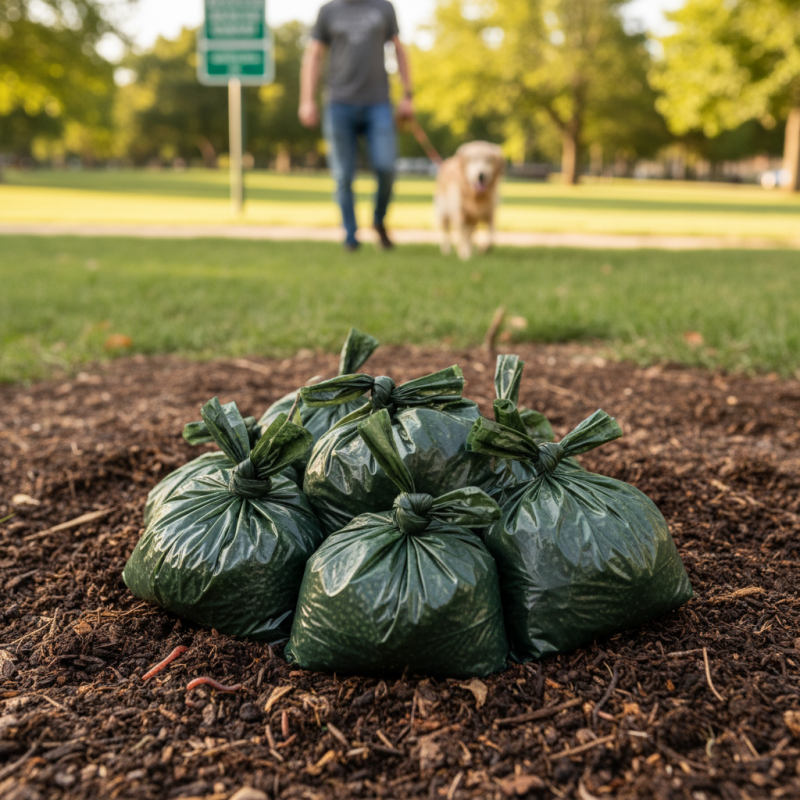
Compostable bags offer an eco-friendly solution for dog owners. They can effectively contain waste while breaking down naturally in the environment. Unlike traditional plastic bags, these compostable options decompose in a matter of months. This is particularly beneficial for parks and natural spaces where pets commonly relieve themselves.
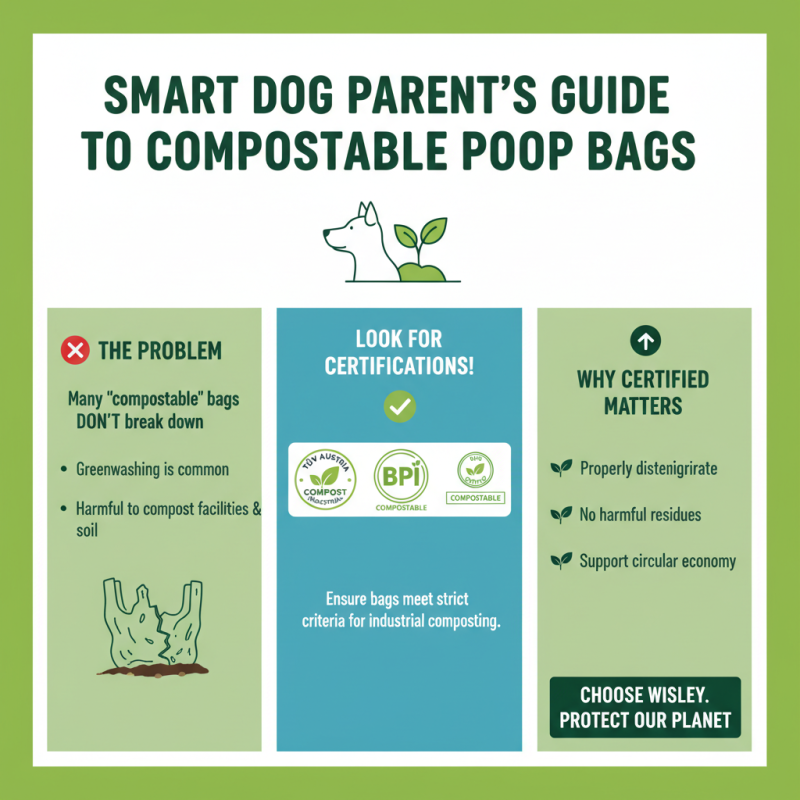
Many dog owners may not realize that not all compostable bags are created equal. Some may still contribute to pollution if not disposed of correctly. Look for bags certified by reputable organizations to ensure true compostability. Also, consider the thickness and size of the bags to ensure they can hold your dog's waste without tearing. Having a sturdy bag is crucial during those unexpected moments.
While compostable bags are a step in the right direction, they still require mindful disposal. Tossing them in regular trash defeats their purpose. Instead, seek out local composting facilities that accept pet waste. Educating yourself and your community on proper disposal methods can make a difference.
Identifying Key Features of High-Quality Compostable Bags for Dog Waste
When choosing compostable bags for dog waste, several key features matter. Look for bags certified by reputable organizations. A 2019 study indicated that over 60% of compostable bags fail to decompose in real composting conditions. This suggests that not all bags are created equal.
Consider the materials used. Bags should be made from plant-based sources. Many bags contain harmful additives, which can hinder compostability. A report from the Biodegradable Products Institute highlights that bags without these additives can decompose within 90 days in a commercial compost facility. It's vital to check for these details on packaging.
Finally, think about size and strength. Smaller bags may tear easily, causing messes. The right thickness is essential. A bag should be hefty enough to contain waste but not too thick to disrupt composting. Balancing these factors will help you make an informed choice. Remember, you want a product that leaves no trace, not one that adds to the pollution. Make thoughtful purchases to support a cleaner environment.
How to Choose the Best Compostable Bags for Dog Poop? - Identifying Key Features of High-Quality Compostable Bags for Dog Waste
| Feature |
Description |
Importance |
| Material |
Bags made from plant-based materials such as corn starch or sugarcane. |
Biodegradable, reduces environmental impact. |
| Size |
Bags available in various sizes to accommodate different dog breeds. |
Ensures adequate space for waste, easier handling. |
| Thickness |
Bags that are thick enough to prevent tearing during use. |
Durable, reduces the risk of leaks. |
| Composting Time |
Time taken for bags to decompose in commercial composting facilities. |
Faster decomposition reduces landfill use. |
| Certifications |
Look for certifications like "EN 13432" or "ASTM D6400". |
Assures quality and compostability standards are met. |
| Odor Control |
Bags designed to contain and prevent odors from escaping. |
Improves user experience, more pleasant handling. |
Comparing the Environmental Impact of Different Compostable Bag Brands
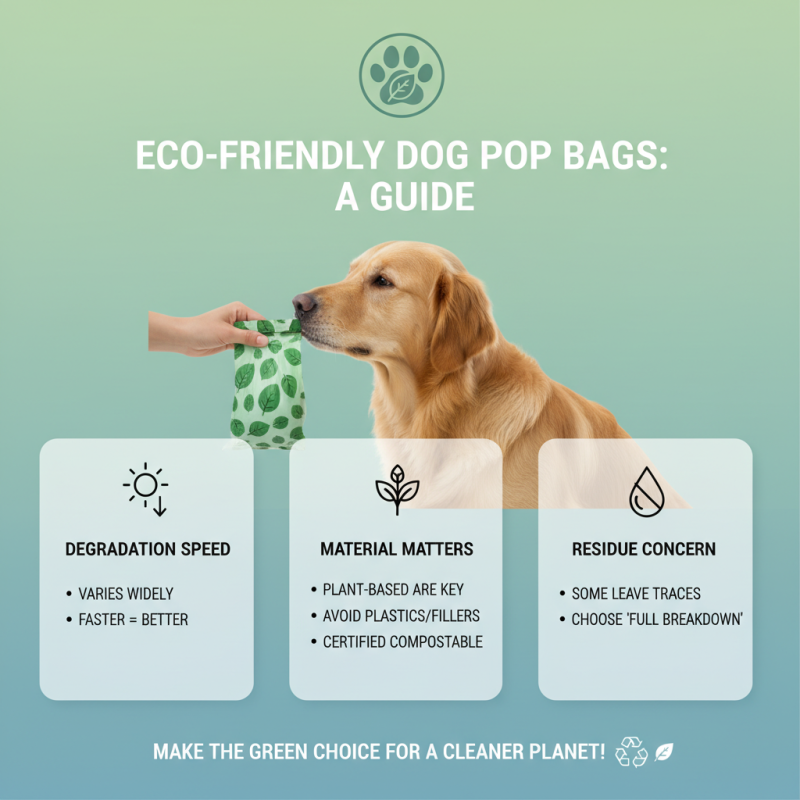
When choosing compostable bags for dog poop, it’s crucial to consider their environmental impact. Not all compostable bags are created equal. Some break down faster than others, while some leave traces behind. The materials used in manufacturing play a significant role. Look for bags made primarily from plant-based materials.
Some bags may claim to be compostable, but they may require industrial composting conditions. Home composting may not break them down adequately. It’s worth investigating how brands contribute to waste reduction. Transparency in sourcing and production is vital. The packaging of these bags can also affect their overall footprint. Minimal and recyclable packaging often indicates a brand’s commitment to sustainability.
However, the reality is that even compostable options can lead to challenges. Consumers must educate themselves about local composting facilities. Not all options are suitable for home composting, thus complicating disposal methods. Sometimes, we idealize compostable products without considering real-world applications. They hold promises, but we must ensure there’s a system in place to support that promise. Reflecting on these aspects can guide better choices for our furry friends and the planet.
Tips on Proper Usage and Disposal of Compostable Bags for Dog Poop
When choosing compostable bags for dog poop, proper usage is key. Always make sure the bags are certified compostable, as some claim to be, but do not break down in composting settings. Take a moment to check for the certification logo. This small step can make a big difference for the environment.
Using compostable bags may sound easy, but there are details to consider. Remember to seal the bags tightly after use. This prevents odors and keeps the contents contained. Don't leave the bags lying around while your pup finishes their business. Take them home for proper disposal as soon as possible.
Disposal is just as crucial. Compostable bags should not be tossed in regular trash. Instead, find a composting facility that accepts them. Even in home composts, the bags may not break down properly if not maintained. Awareness of these practices will help you and your furry friend contribute positively to the planet. However, keep in mind that composting is not a perfect solution. Each method comes with its own challenges and requires thoughtfulness in execution.
Popularity of Compostable Bags for Dog Poop
This chart illustrates the popularity of different types of dog poop bags based on user preferences. Compostable bags, which are made from natural materials, are becoming increasingly popular among eco-conscious pet owners.