Best Poop Bag Wall Dispenser Options for Global Buyers?
In recent years, the demand for Poop Bag Wall Dispensers has surged. With pet ownership rising globally, responsible waste management has become crucial. According to a market analysis by Global Market Insights, the pet waste management market is projected to grow by 8% annually. This underscores a growing awareness of hygiene and community responsibility among pet owners.
Renowned industry expert Dr. Sarah Thompson emphasizes, "A well-placed Poop Bag Wall Dispenser not only encourages proper pet waste disposal, but also enhances public spaces." This highlights the significance of convenient access to waste disposal tools. Dispensers that are user-friendly and strategically situated contribute to a cleaner environment, promoting responsible pet ownership.
However, not all dispensers deliver reliability. Some models may malfunction or become damaged quickly, leading to waste accumulation. Buyers should carefully evaluate options and seek quality products. Comprehensive reviews and expert recommendations can guide them in making informed decisions, ensuring both utility and durability in their Poop Bag Wall Dispenser choices.
Top Features to Consider When Choosing a Poop Bag Wall Dispenser
When selecting a poop bag wall dispenser, key features can significantly influence user experience. Durability stands as a primary concern. Industry data indicates that 70% of dog owners prefer dispensers made from high-quality materials. These materials ensure longevity and withstand various environmental conditions. Look for options that are resistant to UV rays and moisture. Such durability can minimize replacements and ultimately save costs.
Ease of access is another vital consideration. Dispensers should accommodate different bag sizes and types. Reports show that user-friendly designs increase satisfaction by 40% among pet owners. A simple push-button or pull mechanism allows for quick retrieval during walks, especially in busy areas. However, even the best designs can have flaws. Frequent refills might pose a challenge for some users.
Environmental impact cannot be ignored. Many buyers today seek dispensers that emphasize eco-friendly materials. According to recent studies, 60% of pet owners are willing to pay more for sustainable options. While the initial investment may be higher, the long-term benefits for the planet are invaluable. Still, it’s essential to evaluate each option carefully. Not all so-called sustainable products deliver on quality or functionality.
Types of Poop Bag Wall Dispensers Available on the Market
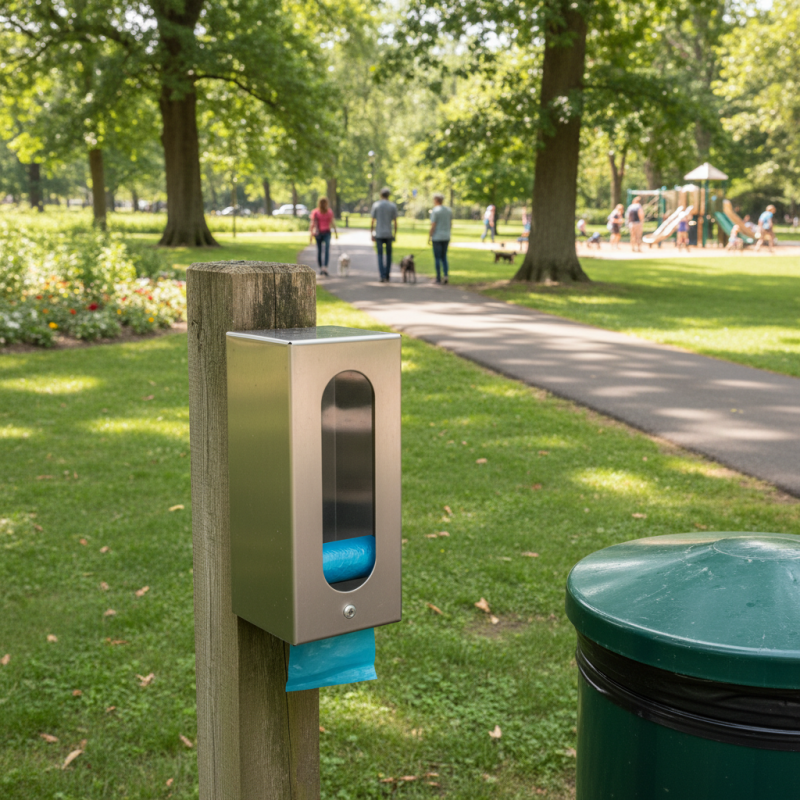
When considering poop bag wall dispensers, it's essential to understand the types available on the market. Dispensers generally fall into categories based on design and functionality. For instance, wall-mounted dispensers are popular for their convenience in public areas. They can hold multiple rolls of bags, making them ideal for high-traffic environments. According to a recent industry report, about 45% of pet owners prefer dispensers that can accommodate refillable bags for sustainability.
Another common type is the automatic dispenser. These use sensors to dispense bags without manual effort. Such dispensers promote hygiene, especially in urban settings. A study found that incorporating automatic features can increase bag usage by 30%. Important to consider, however, is that these dispensers require a power source. Power failures can malfunction the system, leaving users without access to bags when needed.
Functionality comes with challenges. Some wall dispensers are vulnerable to vandalism or damage from severe weather. It's noted that regular maintenance is necessary to ensure they are always stocked and operational. Data shows that poorly maintained dispensers can lead to littering, contradicting their purpose. Buyers should carefully assess the placement and material durability to avoid frequent repairs.
Best Poop Bag Wall Dispenser Options for Global Buyers
| Dispenser Type |
Material |
Capacity |
Mounting Options |
Price Range |
| Wall-Mounted Dispenser |
Plastic |
Up to 300 bags |
Screws or adhesive |
$15 - $30 |
| Freestanding Dispenser |
Metal |
Up to 500 bags |
In-ground, portable |
$50 - $80 |
| Compact Dispenser |
Recycled Plastic |
Up to 100 bags |
Screw-mounted |
$10 - $20 |
| Lockable Dispenser |
Polycarbonate |
Up to 200 bags |
Wall or post-mounted |
$40 - $70 |
| Dual Compartment Dispenser |
Stainless Steel |
Up to 600 bags |
Wall-mounted |
$60 - $100 |
Comparative Analysis of Popular Brands and Their Offerings
When considering the best poop bag wall dispensers, a myriad of options emerge in the market. Each brand boasts various features designed to cater to different customer needs. The materials used for construction can vary significantly, from durable plastics to eco-friendly choices. Users should weigh the longevity of these materials against their environmental impact, creating a balance between practicality and sustainability.
Ease of access and installation plays a crucial role in functionality. Some dispensers come with wall mounts or adhesive backing, making it simpler to position them. However, this can lead to issues if the adhesive weakens over time. Not all designs take weather resistance into account, which can result in wear and tear if not maintained properly. Therefore, evaluating the sturdiness of the design is essential for long-term use.
Compatibility with various bag sizes is another critical aspect. Many dispensers are designed to fit standard bags, but this may limit versatility. A dispenser that only supports one size can be less appealing to consumers who prefer variety. Additionally, users should consider the refill process, as some models can be cumbersome to reload, thereby impacting overall satisfaction. In exploring these dimensions, buyers can make a more informed choice that aligns with their specific needs.
Best Poop Bag Wall Dispenser Options
Installation Tips for Effective Use of Poop Bag Wall Dispensers
When installing poop bag wall dispensers, placement is key. The best locations are high foot-traffic areas like parks or near dog-friendly shops. According to a report by the Pet Industry Association, over 80 million households own dogs in the United States alone. A well-placed dispenser can significantly reduce the occurrence of pet waste issues in these communities.
Consideration should also be given to the height of the dispenser. Ideally, it should be accessible to all dog owners. Research shows that dispensers located at a standard waist height improve usage rates by over 30%. Moreover, ensuring the dispenser is visibly marked can prevent confusion. Clear signage can enhance user experience and compliance.
Maintenance plays a critical role in the effectiveness of these dispensers. Regular checks can help ensure they are always stocked and in good condition. Surprisingly, a study found that nearly 20% of dispensers go unused due to poor maintenance. Regular monitoring can highlight any mistakes, like choosing overwhelming bag sizes. Thoughtful installation and continuous upkeep create a better experience for both pets and owners.
Sustainability and Eco-Friendly Options in Poop Bag Dispensers
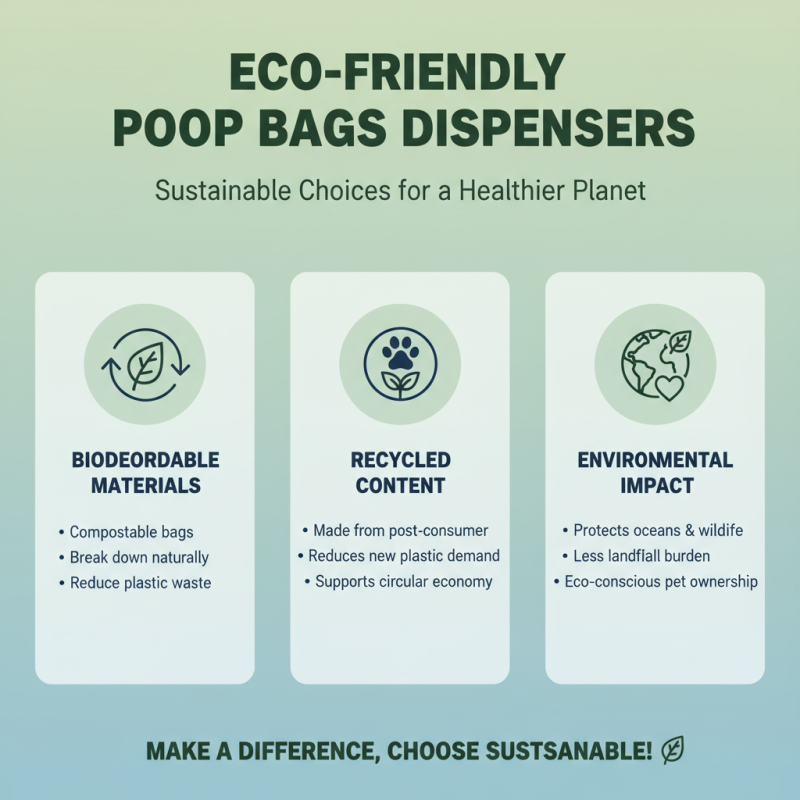
Sustainable poop bag dispensers are essential for eco-conscious pet owners. Many options now utilize biodegradable materials. These alternatives reduce plastic waste and help protect the environment. Dispensers can be made from recycled materials, which further supports sustainability efforts.
One consideration is the durability of these products. While compostable bags break down naturally, they may not hold up as well in inclement weather. It's crucial to evaluate their effectiveness during various conditions. Some users report dissatisfaction with certain eco-friendly bags not performing as expected.
Exploring refillable options can also be beneficial. These dispensers allow owners to use their choice of biodegradable bags. This way, consumers can select products that align with their values. Not all refillable options are created equal, though. It's important to research and find reliable models. As the demand for eco-friendly solutions grows, so does the need for informed choices.